
Designing for Interaction: Low-Prep Strategies that Work Anywhere
What’s one interaction strategy you keep coming back to?
1 May 2026 I The Queensland Institute
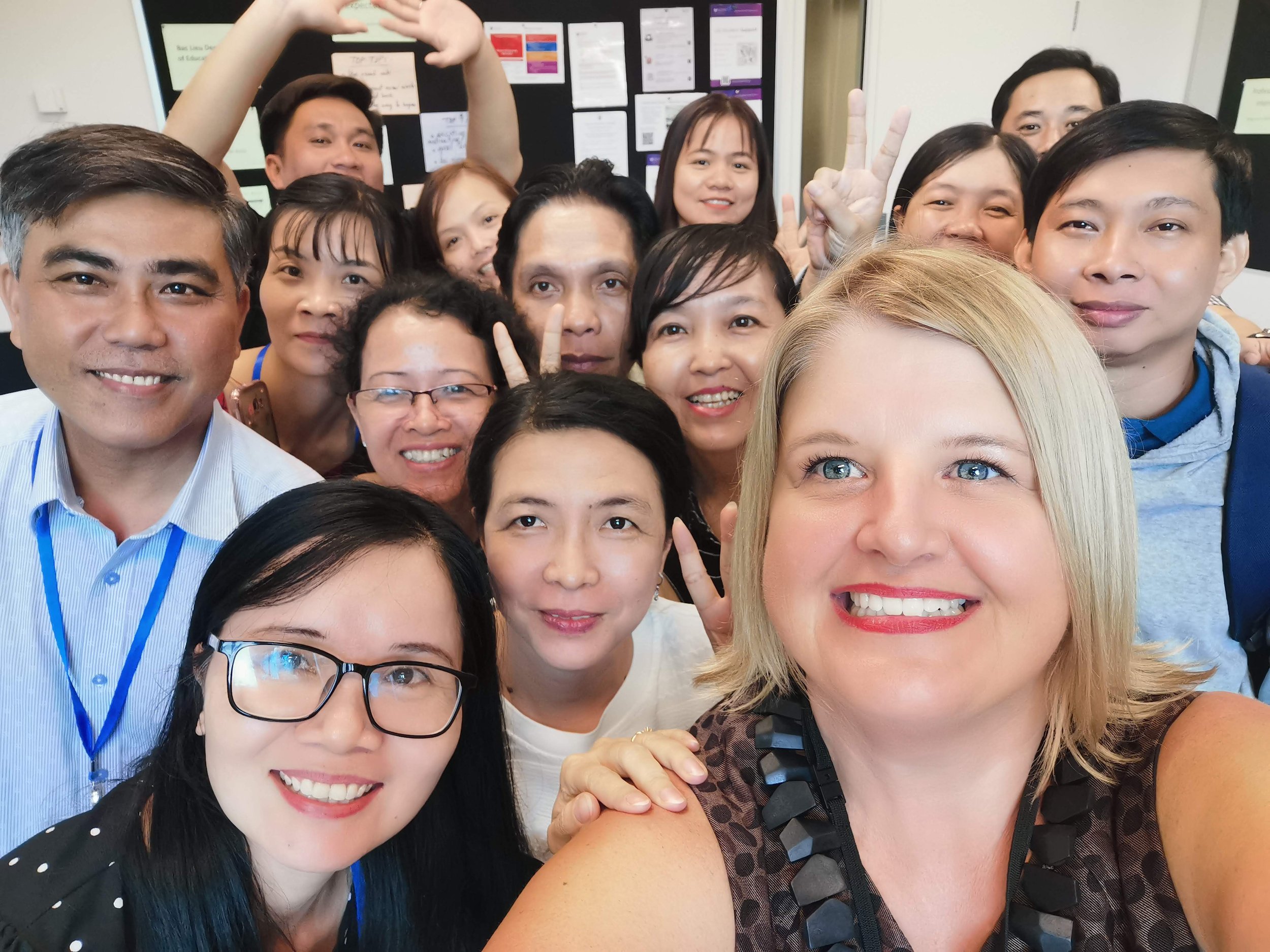
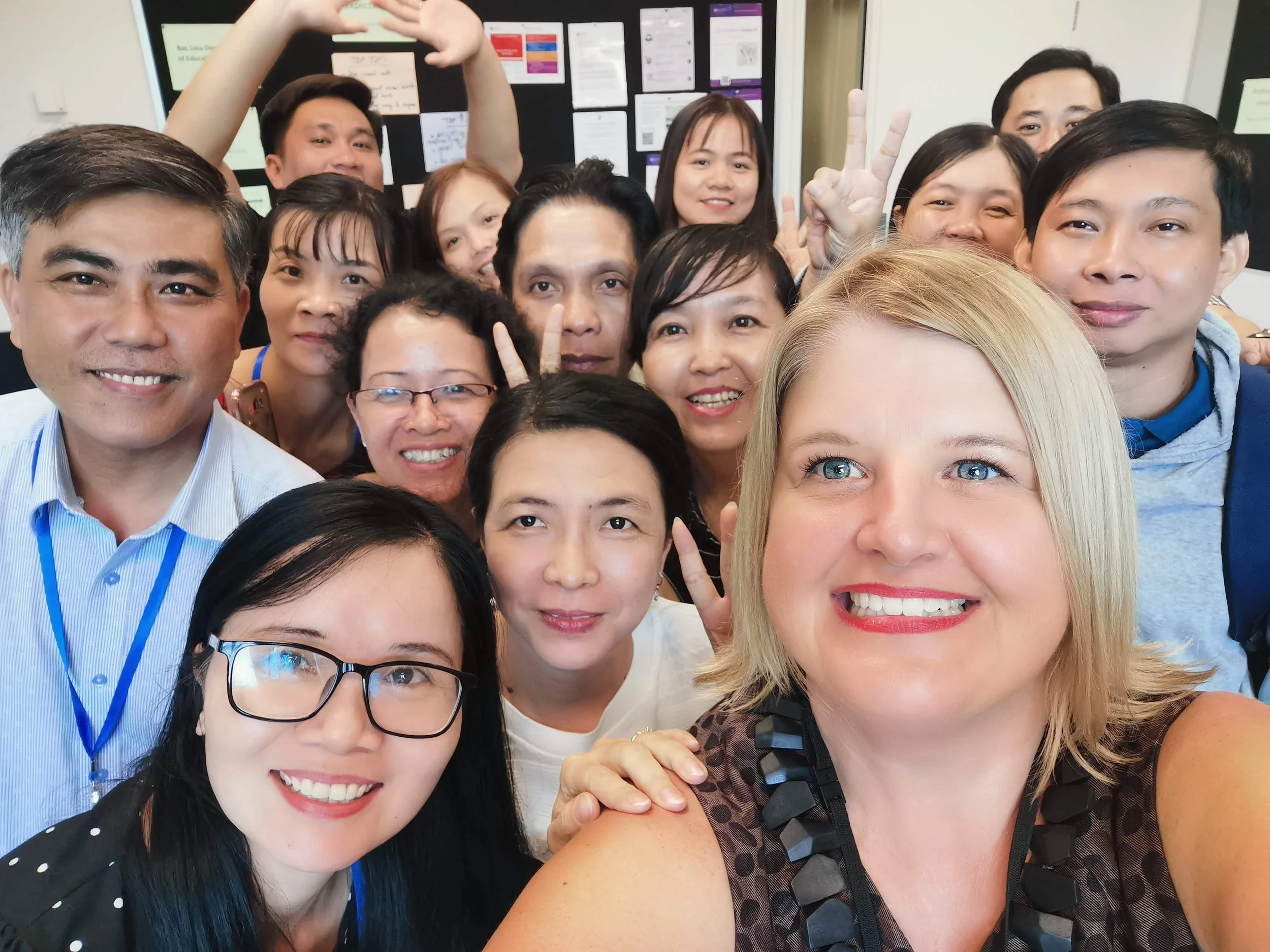
Co-Founder, Fiona Wiebusch (right of centre) working with Vietnamese colleagues.
At The Queensland Institute, we love using technology in the classroom. We encourage participants to bring devices and explore digital tools to support communication and make learning visible. But great teaching isn’t just about the tool. It’s about how we design interaction.
In many of the contexts we work in, access to technology isn’t always guaranteed. And even in well-resourced classrooms, learners benefit from variety. They need opportunities to move, talk, and engage in different ways.
That’s why we often come back to simple, low-prep strategies that consistently create interaction.
Here are six practical activities we use in our programs. No Wi-Fi required.
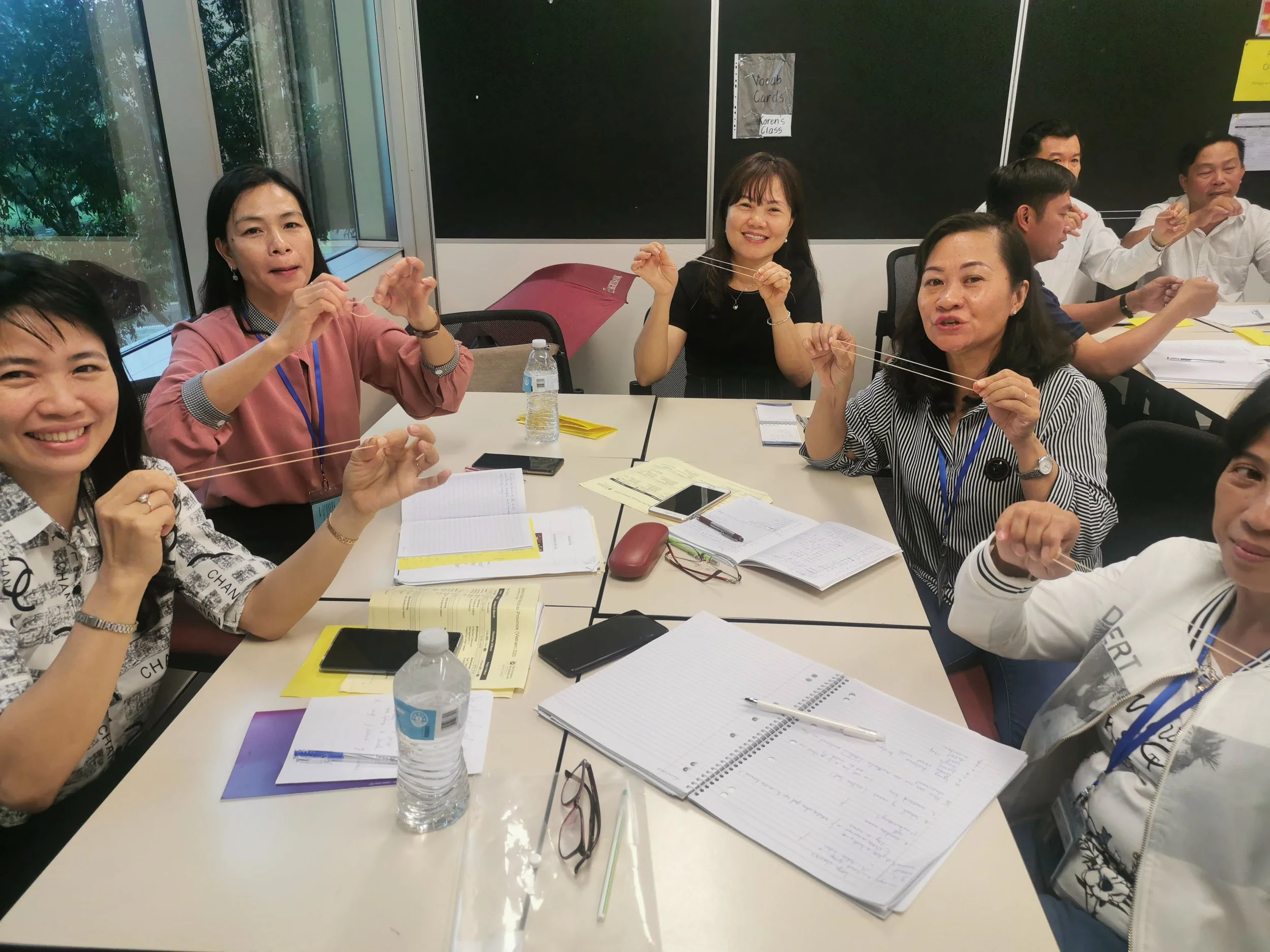
Activity: Stretchy Sound
Stretchy Sound (Rubber Band Pronunciation)
A simple rubber band becomes a powerful tool for pronunciation. Students stretch it as they say words or sentences, helping them feel word stress, rhythm, and intonation.
Purpose:
To help learners notice and produce word stress and rhythm more accurately.
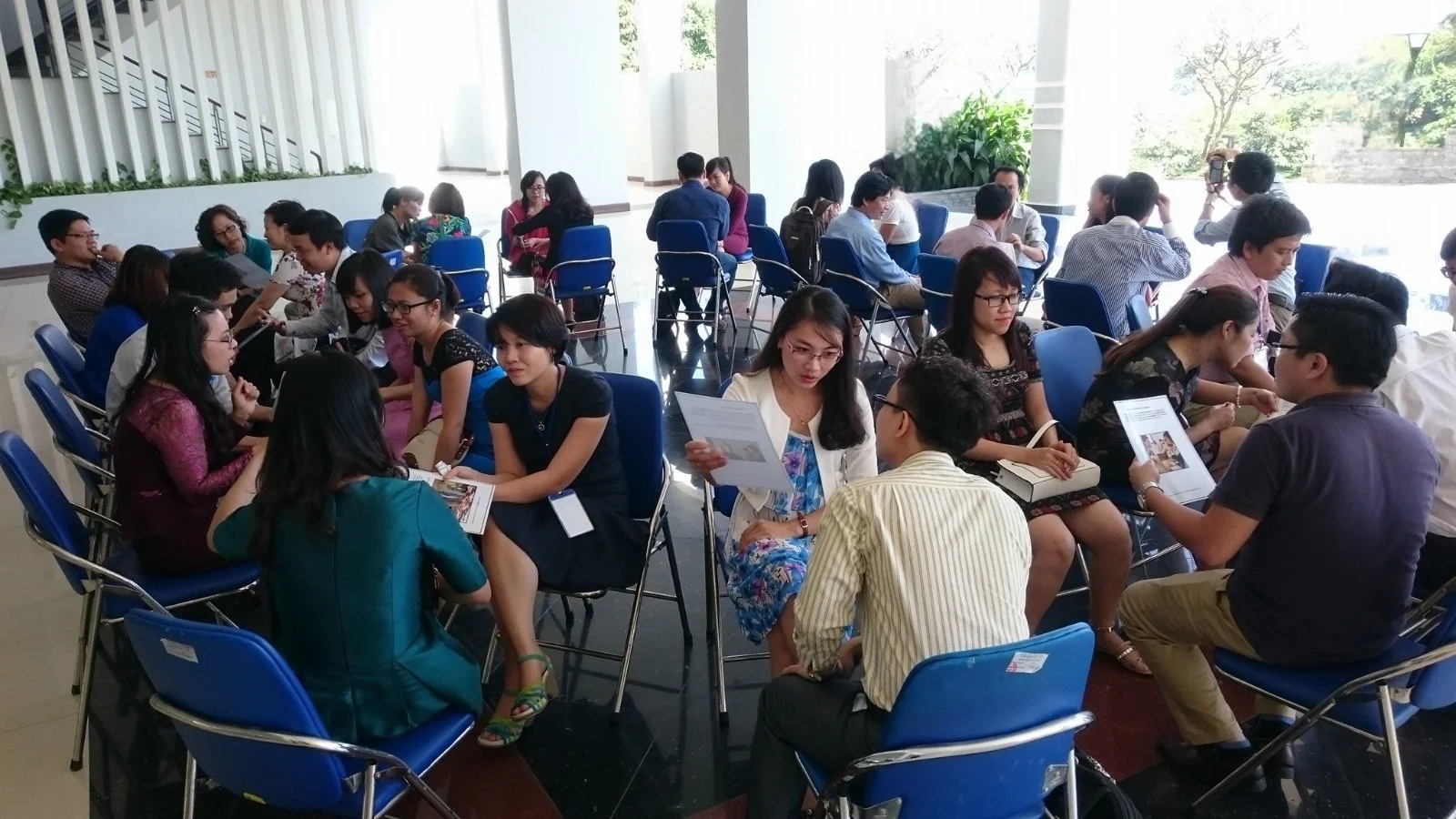
Activity: Donut Discussion
Circle Switch (Doughnut Discussion & Rotations)
Change the setup, change the energy. Use concentric circles or two facing lines with different prompts. Students rotate regularly, creating new pairs and fresh conversations each round.
Purpose:
To increase speaking time, promote interaction, and expose learners to a range of ideas.
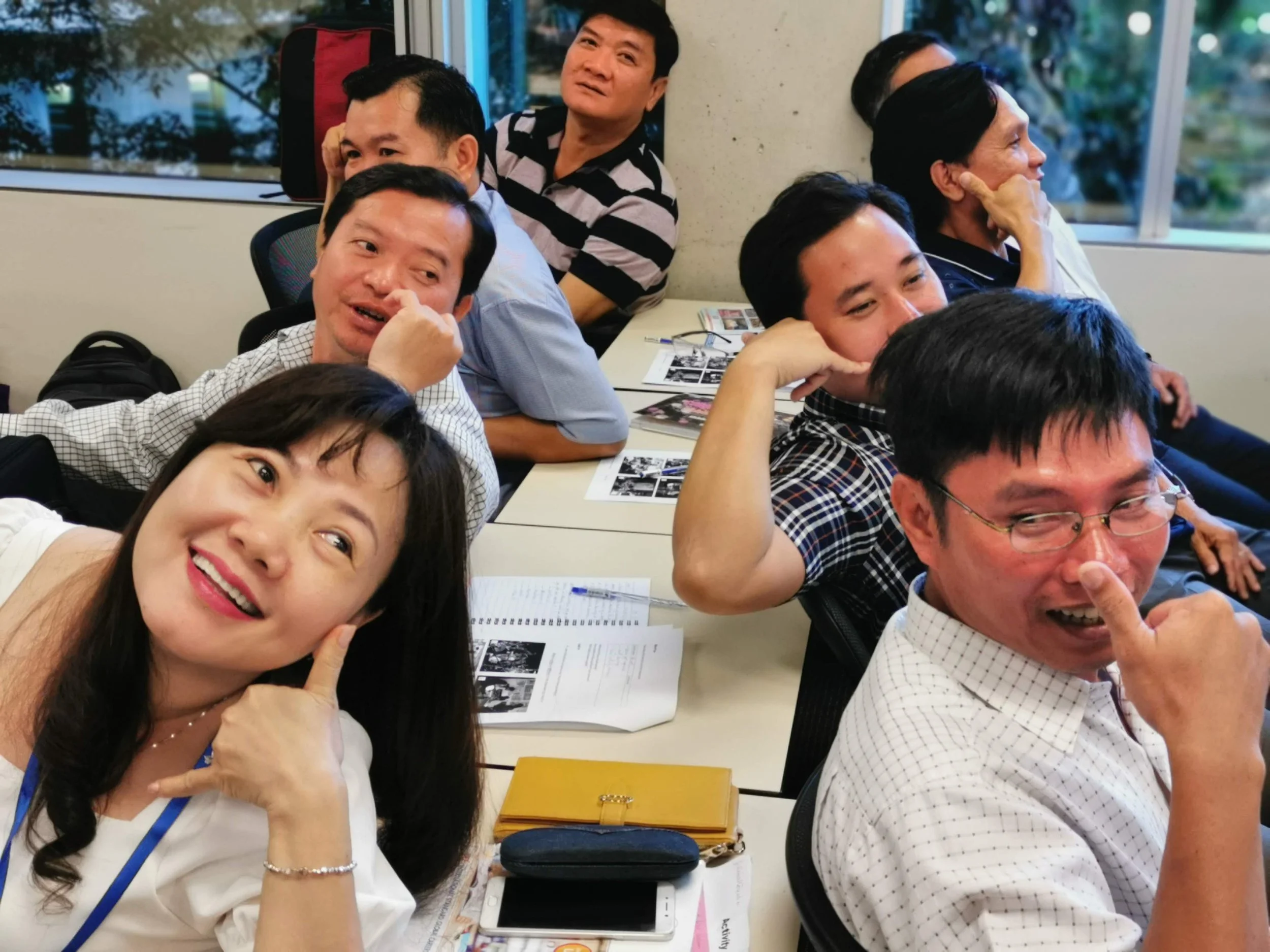
Activity: Telephone Talk
Telephone Talk (Back-to-Back Dialogue)
Students sit back-to-back and role-play a phone conversation. Without visual cues, they rely on clear language and expression, and you’ll often hear their language come to life in new ways.
Purpose:
To develop clarity and confidence in spoken communication.
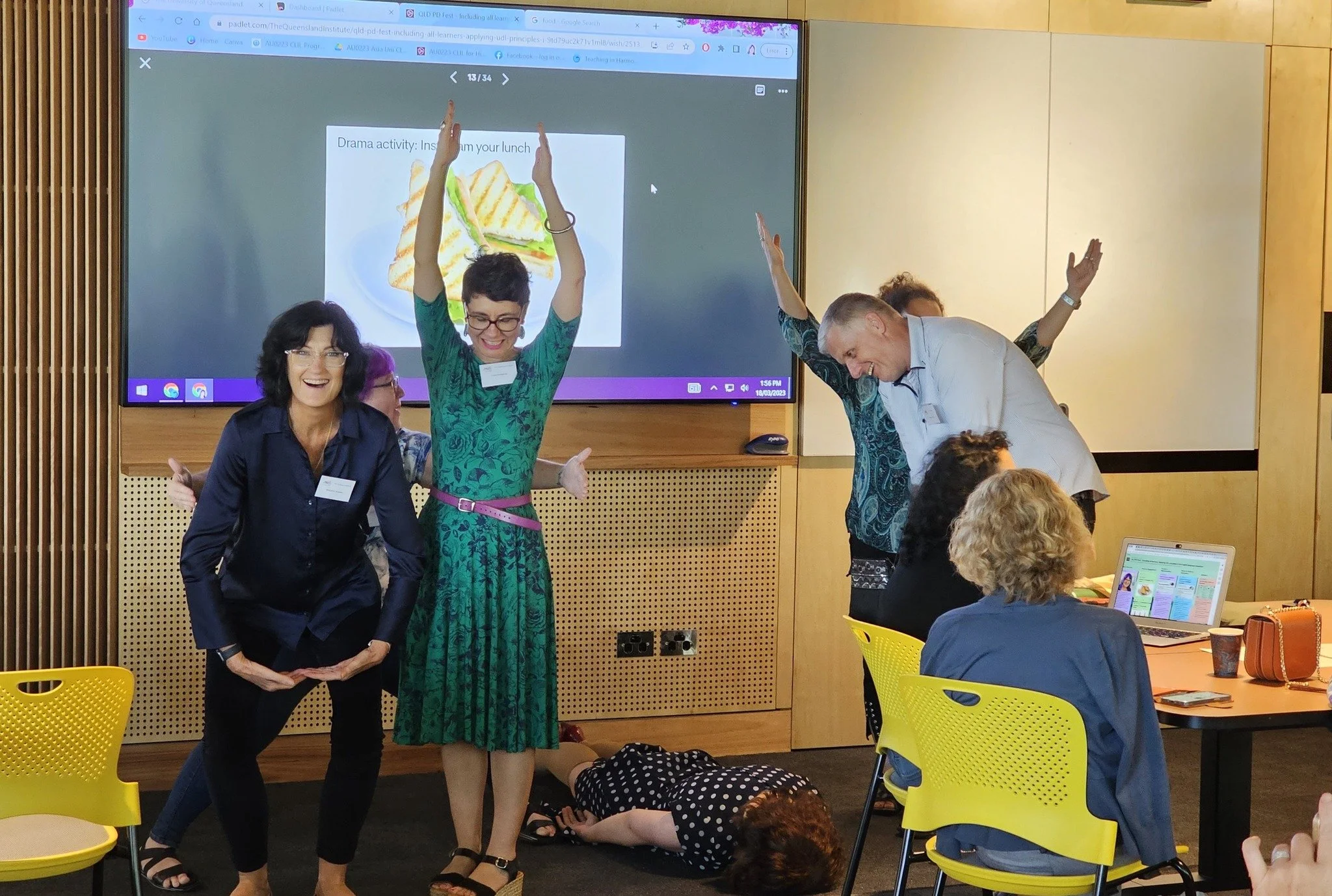
Activity: Instagram your Lunch
Picture Players (Picture Drama Activity)
Turn a picture into a scene. Show an image or a postcard and invite students to take on roles, act it out, and build the story together, while others observe and describe what they see. In the above photo from English Australia’s PD Fest, Vicki Bos and Ceara McManus create a human Instagram image of their lunch (can you see the sandwich?).
Purpose:
To build descriptive language, creativity, and confidence.
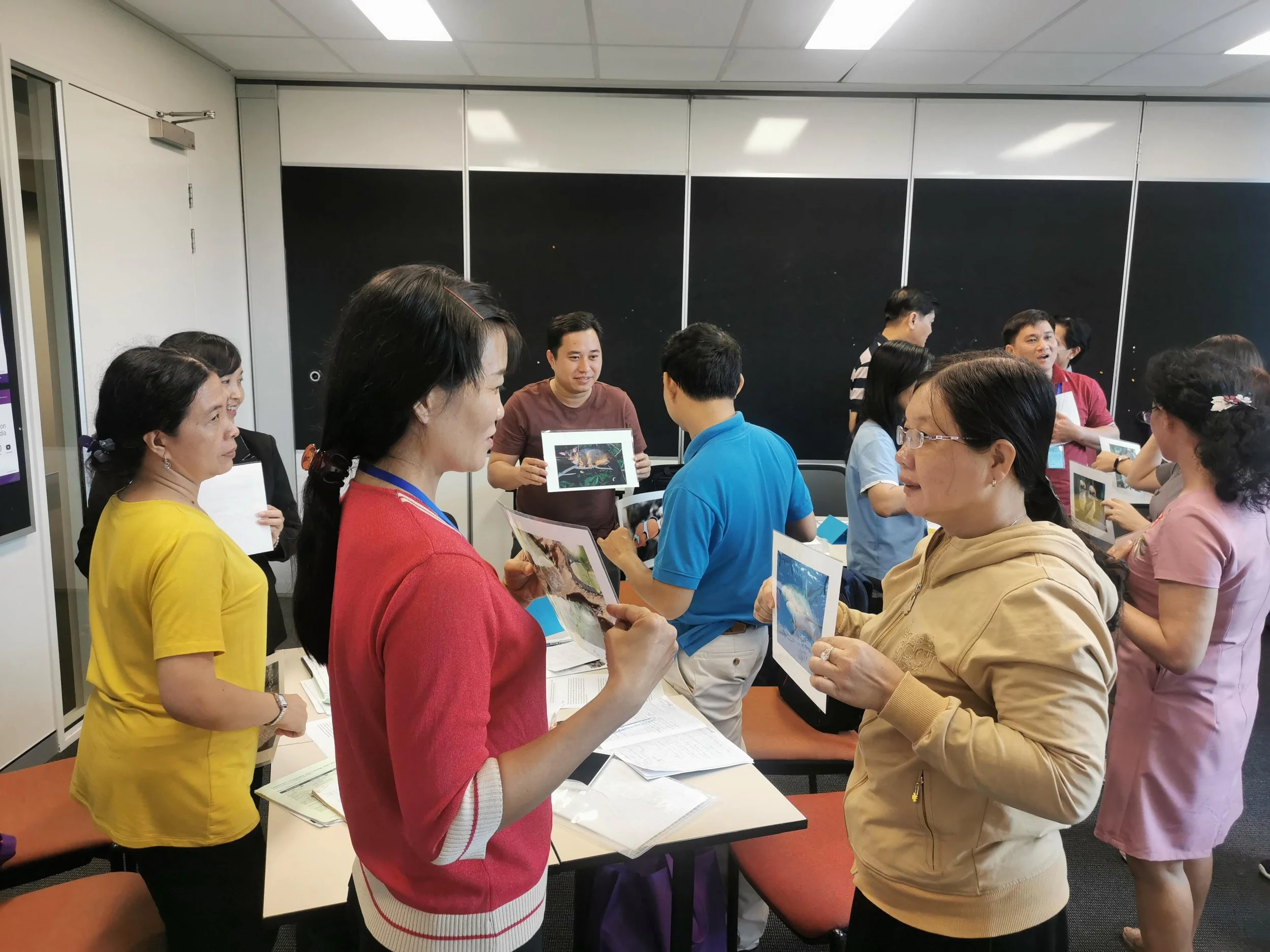
Activity: Picture swap
Picture Swap (Describe, Move, Repeat)
Students describe a picture, then swap and move to a new partner. With each round, their language becomes more fluent and refined.
Purpose:
To build fluency through repetition and support idea generation.
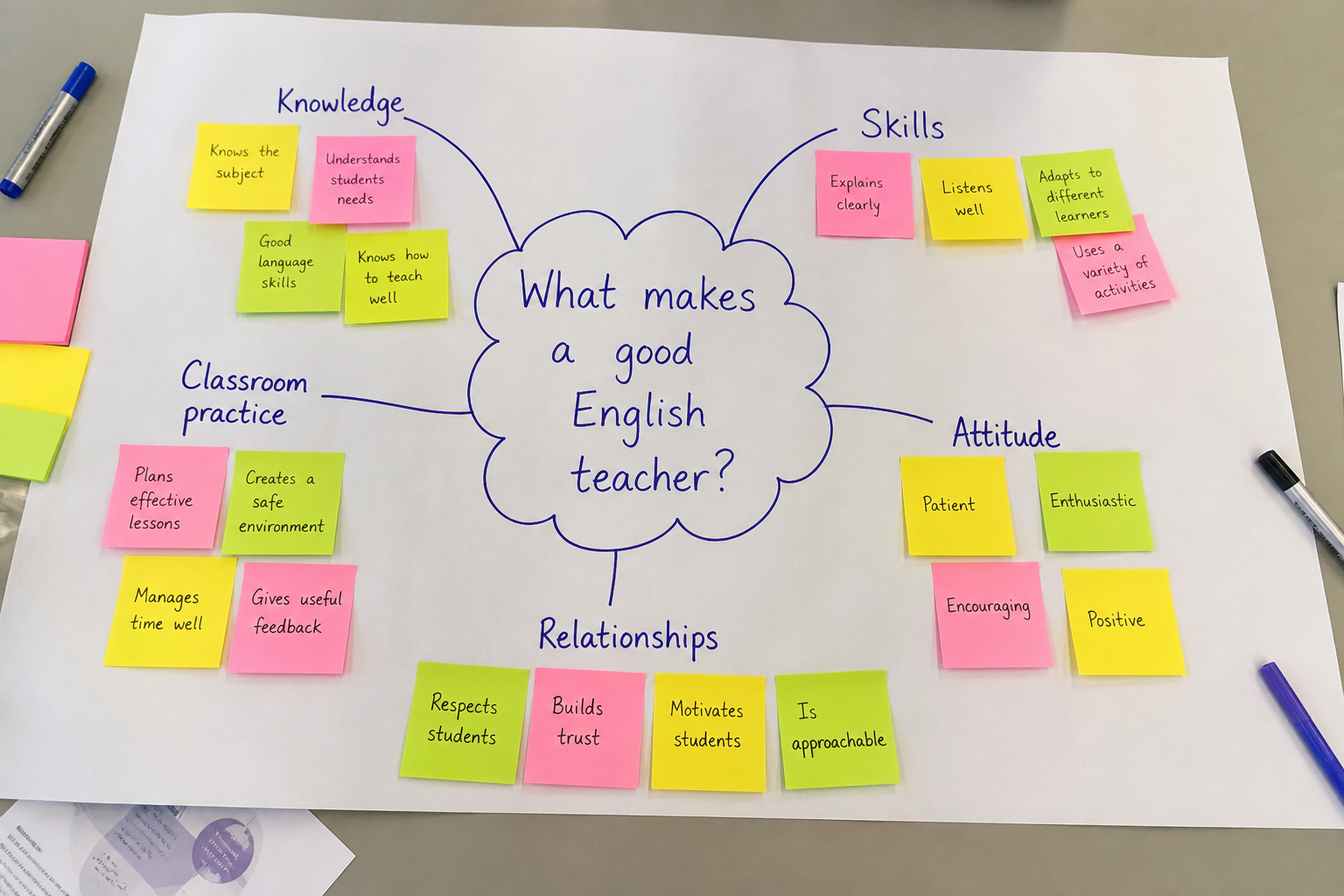
Activity: Sticky Storm
Sticky Storm (Big Paper & Idea Build)
Give each group a large sheet of paper and each student a sticky note. Students share ideas individually, then organise and connect them into a group response.
Purpose:
To ensure participation and support the development of ideas into structured writing.
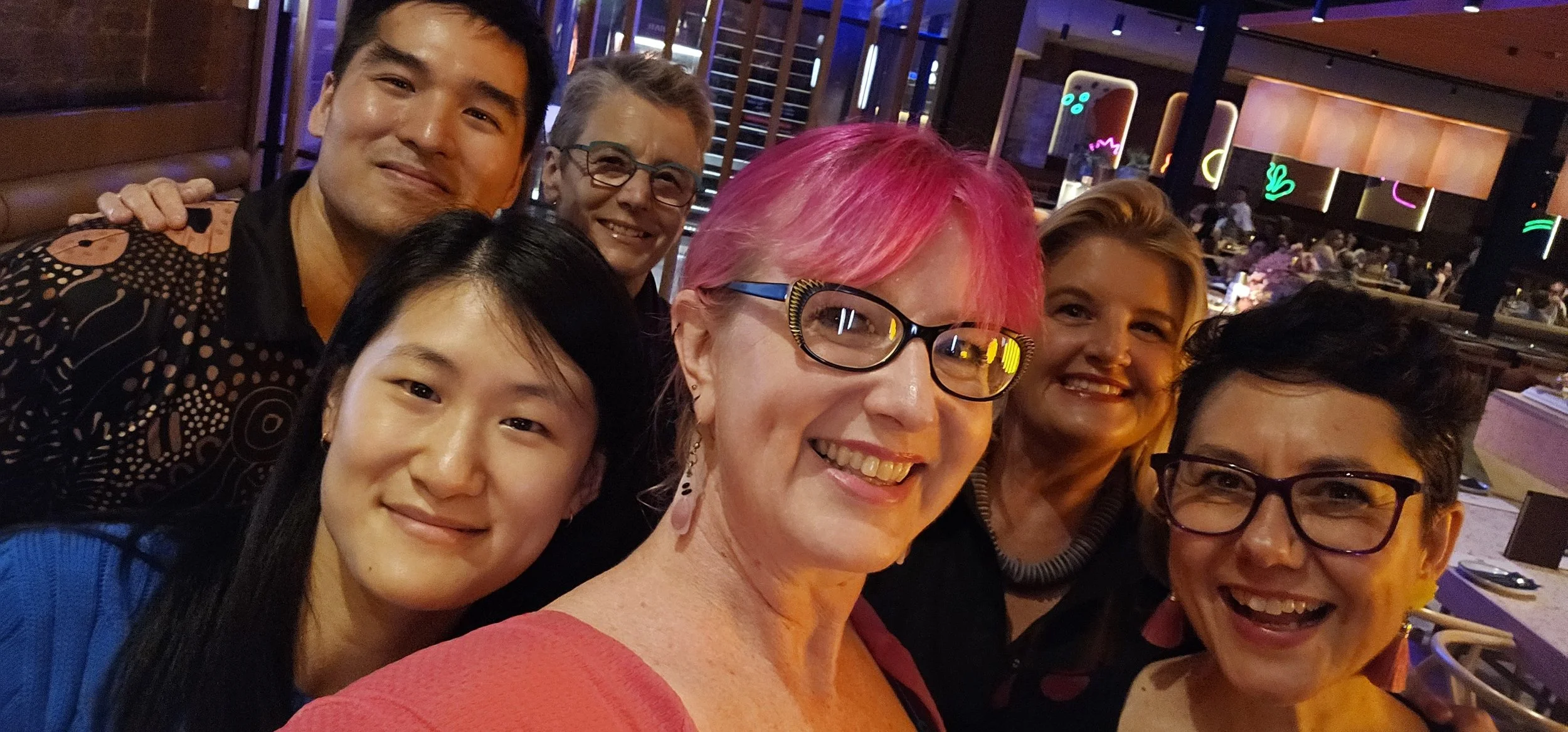
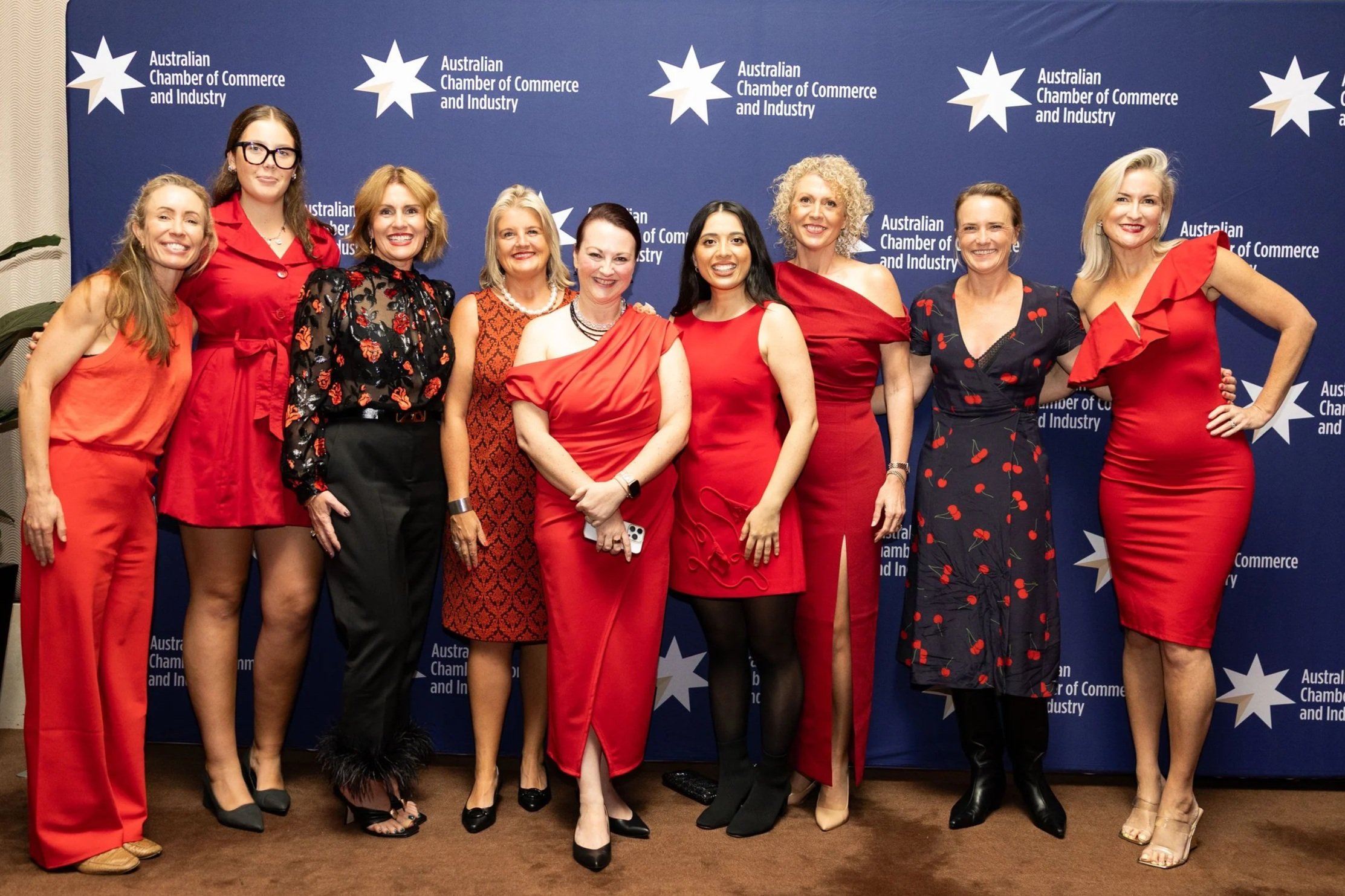
L-R: Peter, Leslie, Philippa, Vicki (centre), Fiona, and Ceara
Advice from our Training Team
The strategies above are ones our training colleagues Philippa Coleman, Fiona Wiebusch, Vicki Bos, Ceara McManus, and others use time and time again across a wide range of classroom contexts.
They work particularly well in low-resource environments, but just as effectively in well-equipped classrooms. They also translate seamlessly across sectors, from primary to tertiary, anywhere communication is central to learning.
Top Tip - Give your activities a name
It sounds simple, but it works. Short names like Sticky Storm or Stretchy Sound help you remember what you planned and make it easier to review your lessons across a week.
It’s also a great way to keep your teaching varied and intentional.
Final Thoughts
We’ll definitely keep exploring digital tools and AI. They open up exciting possibilities for learning.
But some of the best classroom moments don’t need a screen.
When learners are moving, speaking, and responding to each other in real time, the focus shifts from the tool to the interaction.
And that’s where the real impact happens.
Connect with Us
Interested in building more interactive, learner-centred classrooms?
We offer tailored training to help teachers deliver their subjects in English across diverse contexts.
Email Philippa and Fiona to learn more about how we can help.
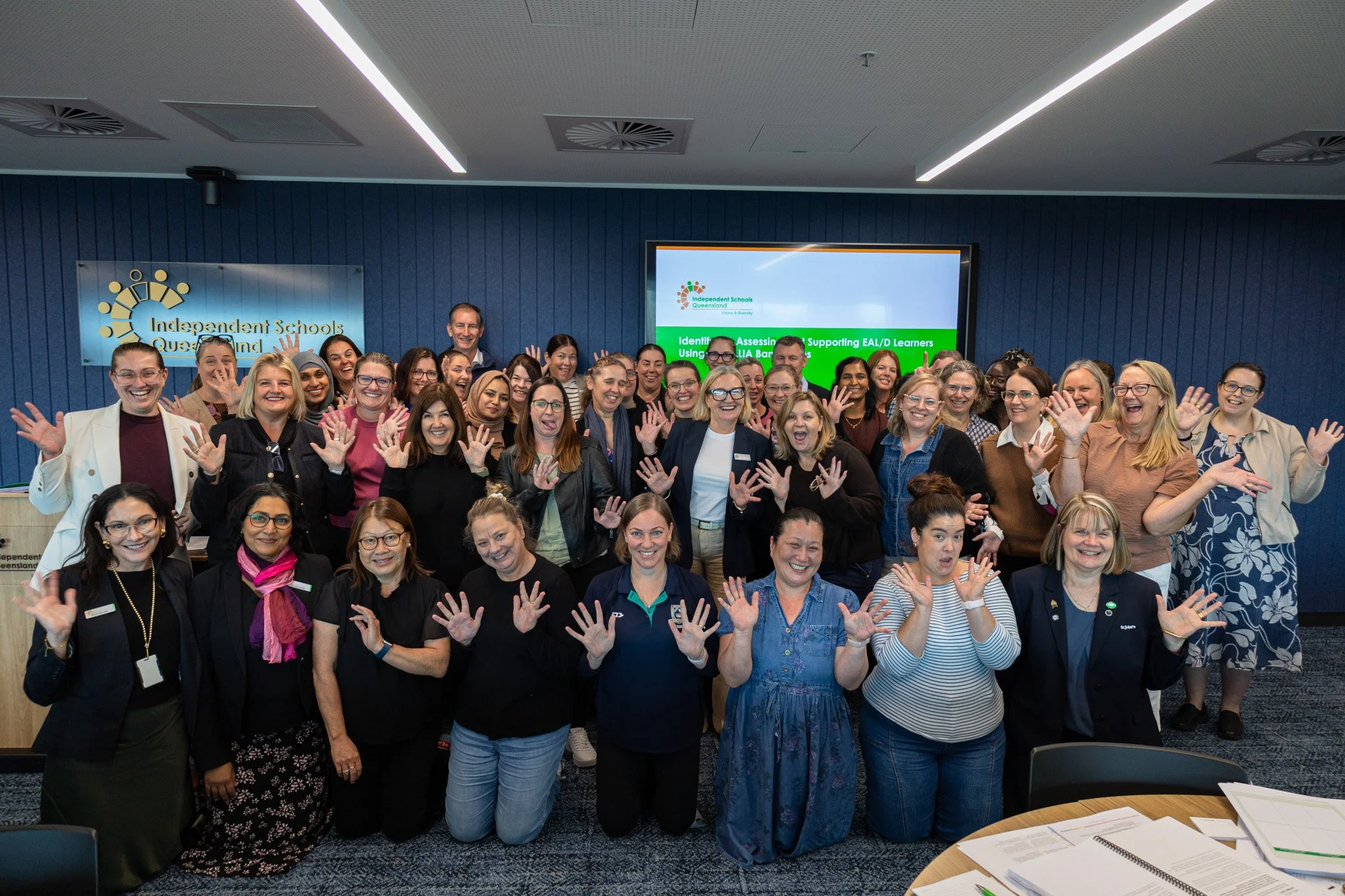
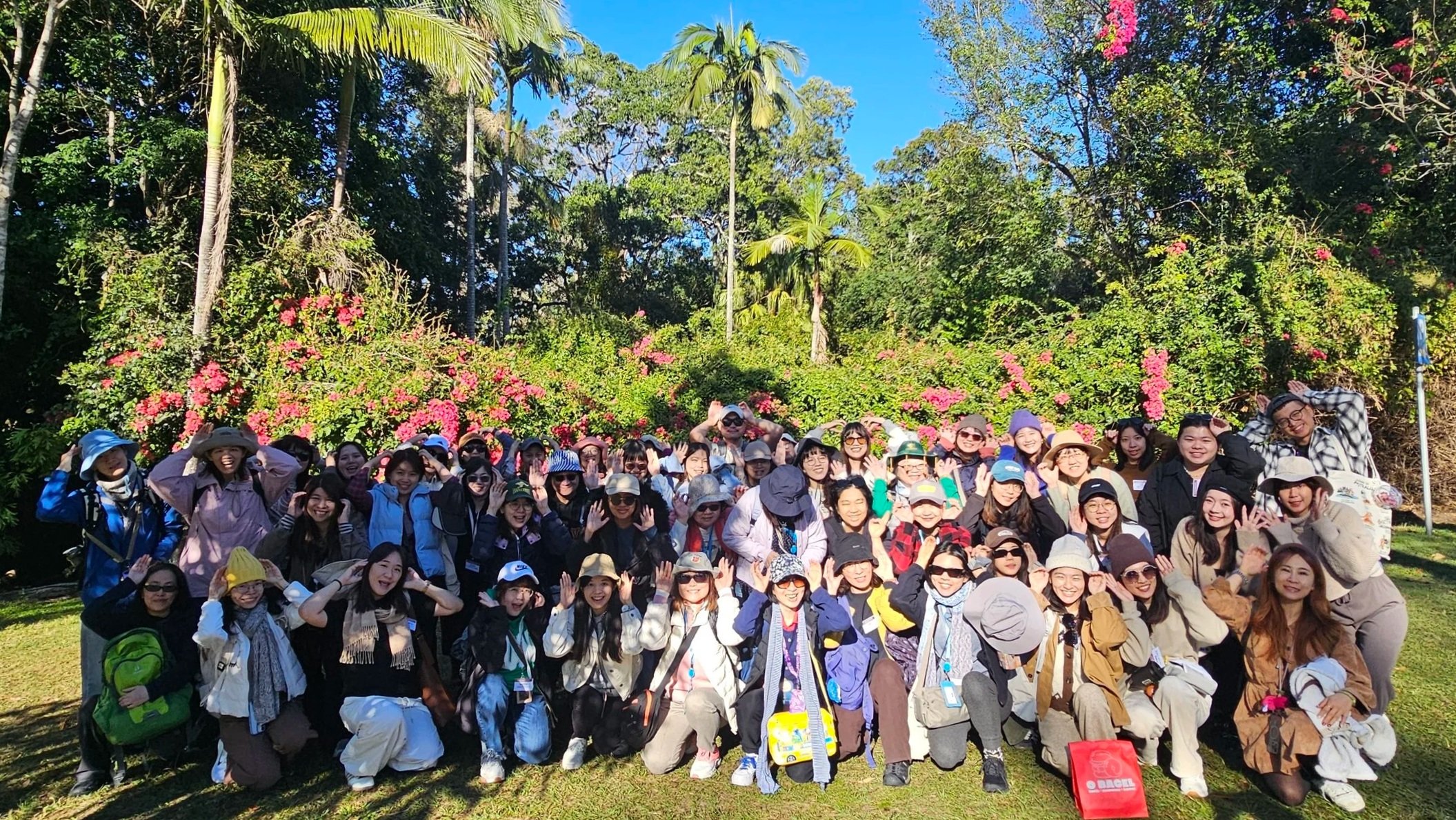
A special shout out to our Vietnamese colleagues and alumni from workshops in Nha Trang and Brisbane, featured in these photos. We loved working with you!
Teaching Online?
Check out our online webinar with English Australia TV on creating interaction in the online classroom too!


[Blog] As conference season approaches, Fiona Wiebusch shares practical lessons on making the move from teacher to conference presenter, such as writing abstracts, finding your story, engaging an audience, rehearsing effectively and presenting with confidence.