
QI News

AI Global Dialogues: From Policy to Practice
[Blog] The QI team shares insights from its AI Global Dialogues with INACAP, Chile, exploring how educators across Latin America and the Asia-Pacific are moving from policy to practice while keeping human judgement, context and international collaboration at the centre.

The Practice of Presenting: 10 Conference Tips for Teachers
[Blog] As conference season approaches, Fiona Wiebusch shares practical lessons on making the move from teacher to conference presenter, such as writing abstracts, finding your story, engaging an audience, rehearsing effectively and presenting with confidence.
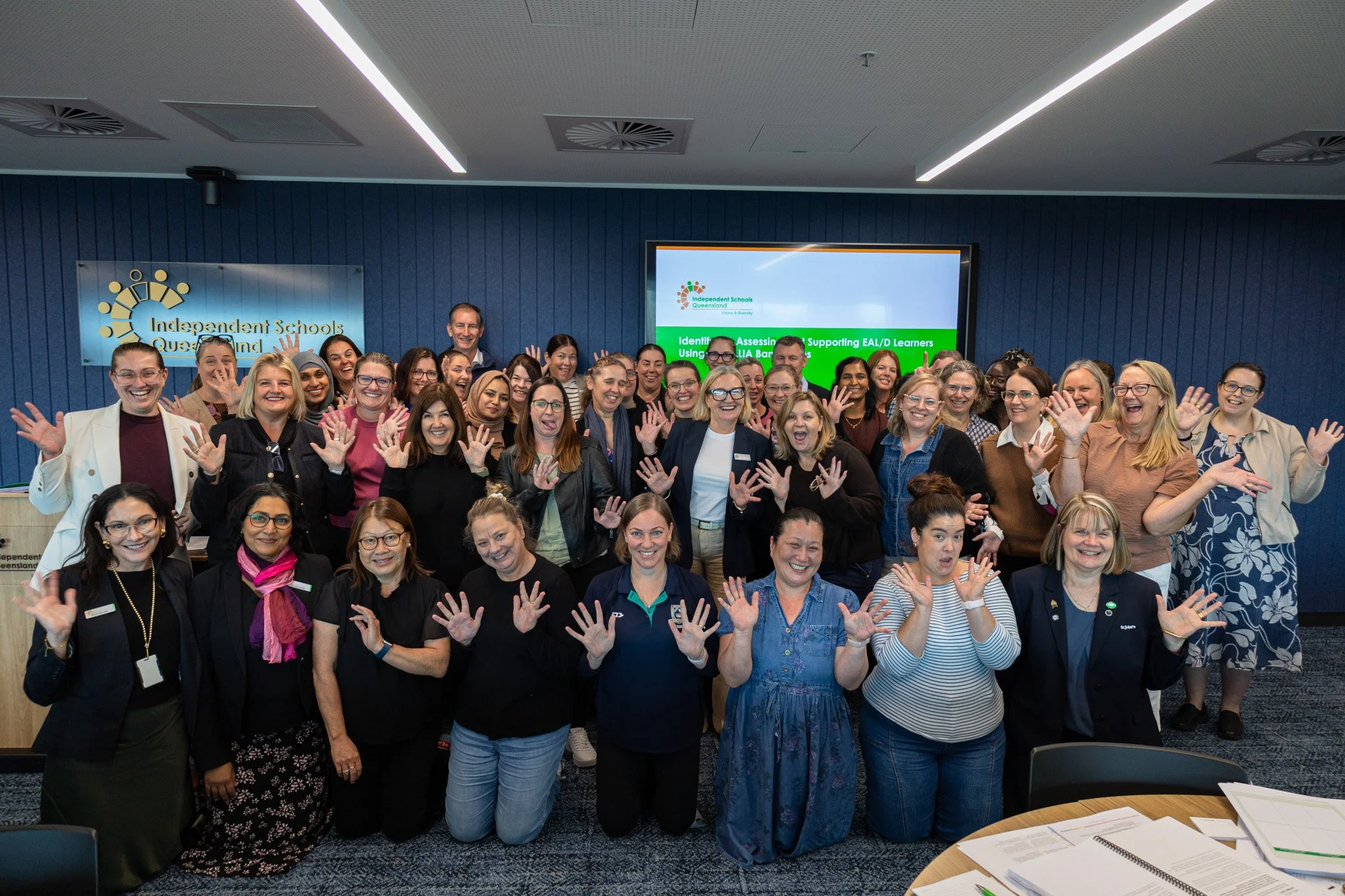
Making the Language of Learning Visible: Lessons from EAL/D Education
[Blog] All school learning is assessed through language. Discover what EAL/D education can teach us about making the language demands of learning visible and creating more inclusive classrooms for every learner.
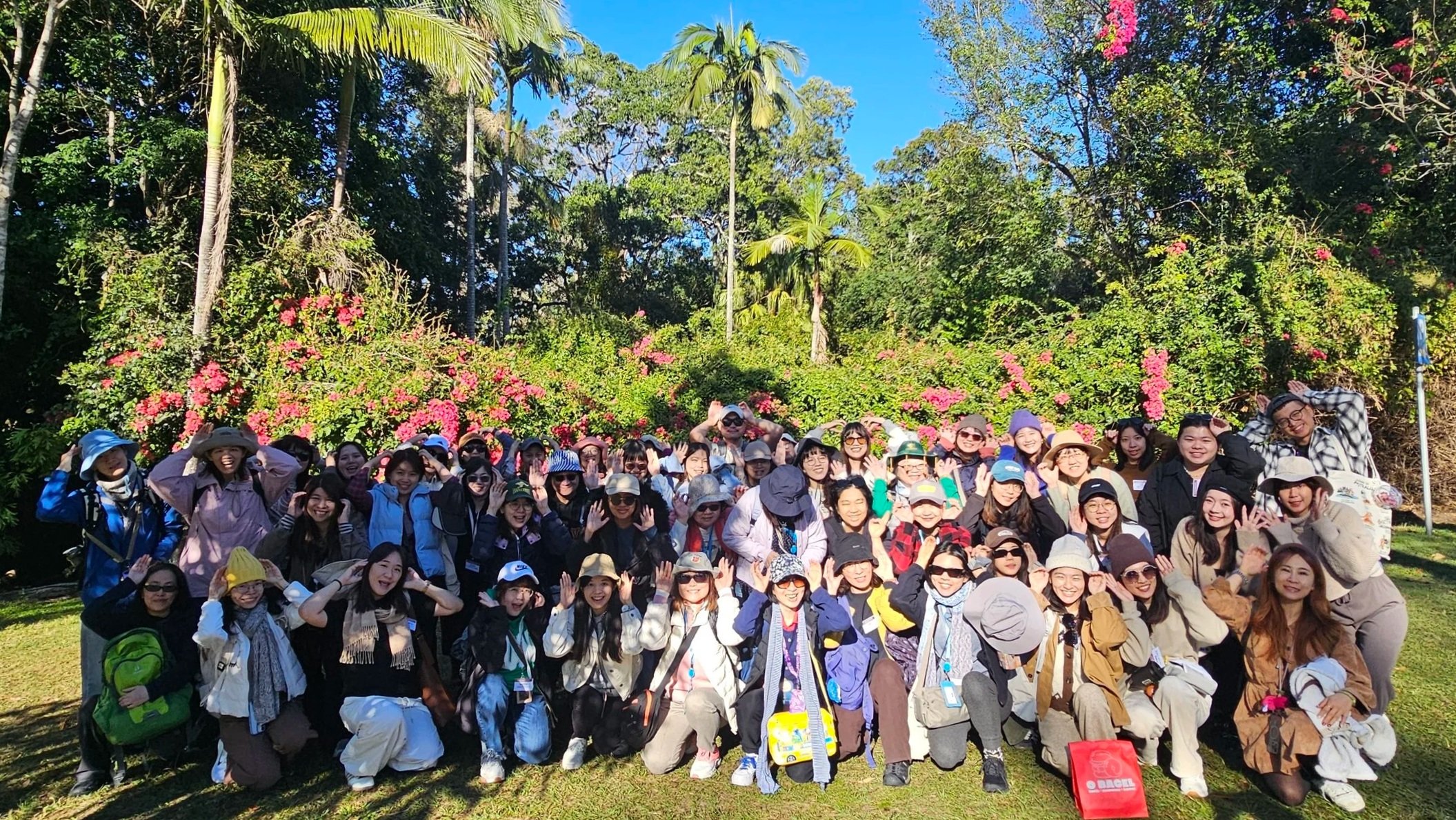
Early Learning, Lasting Impact: Supporting Taiwan's Elementary English Teachers
[Blog] Early learning is where children fall in love with language. Discover how The Queensland Institute and National Taiwan Normal University are supporting Taiwan's elementary English teachers through blended professional learning and cultural immersion.
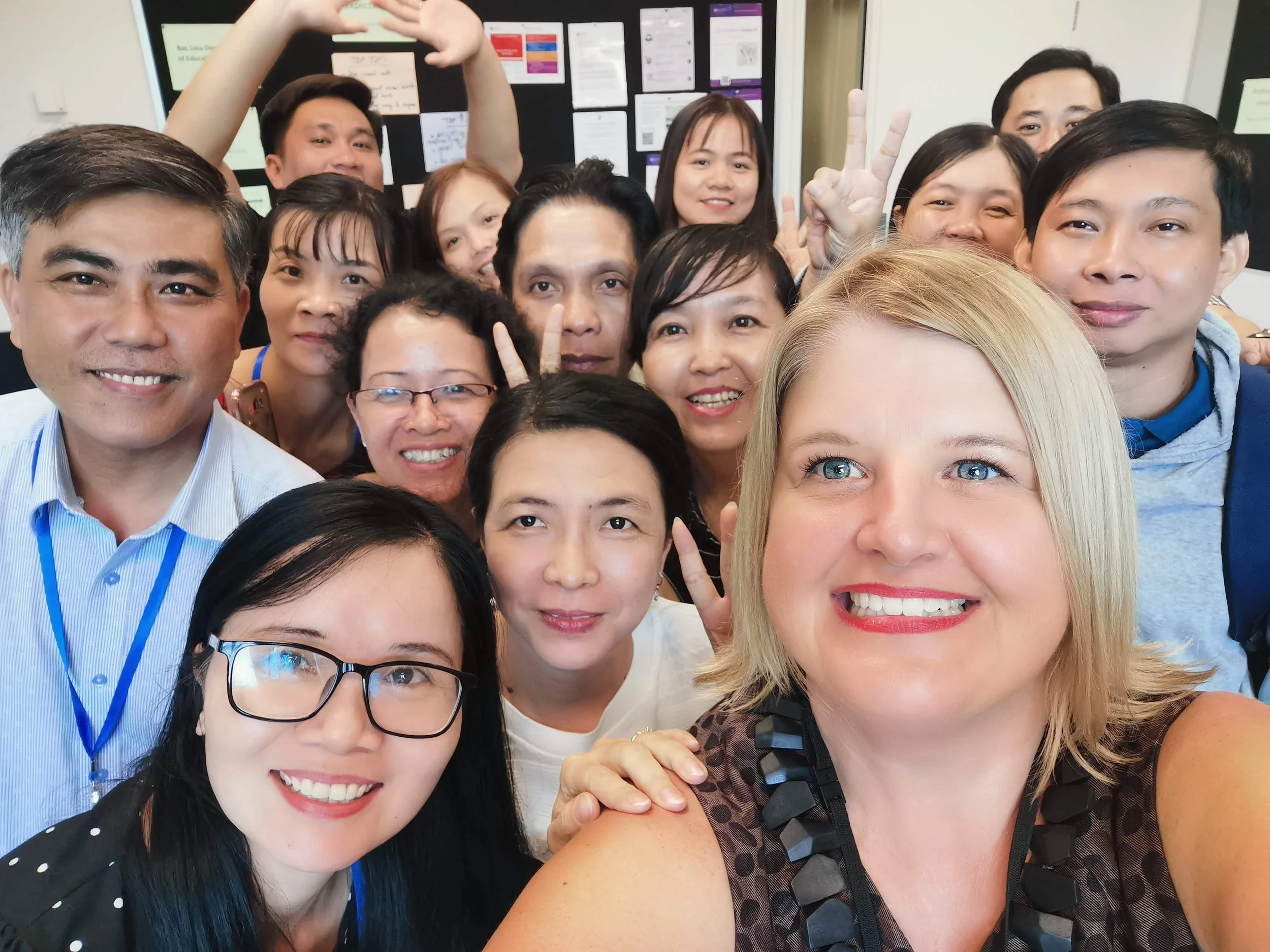
Designing for Interaction: Low-Prep Strategies that Work Anywhere
[Blog] The Queensland Institute explores six low-prep strategies to activate interaction in the classroom, supporting teachers to increase speaking time and engagement across diverse learning contexts. These practical activities are designed to work anywhere, with or without technology.
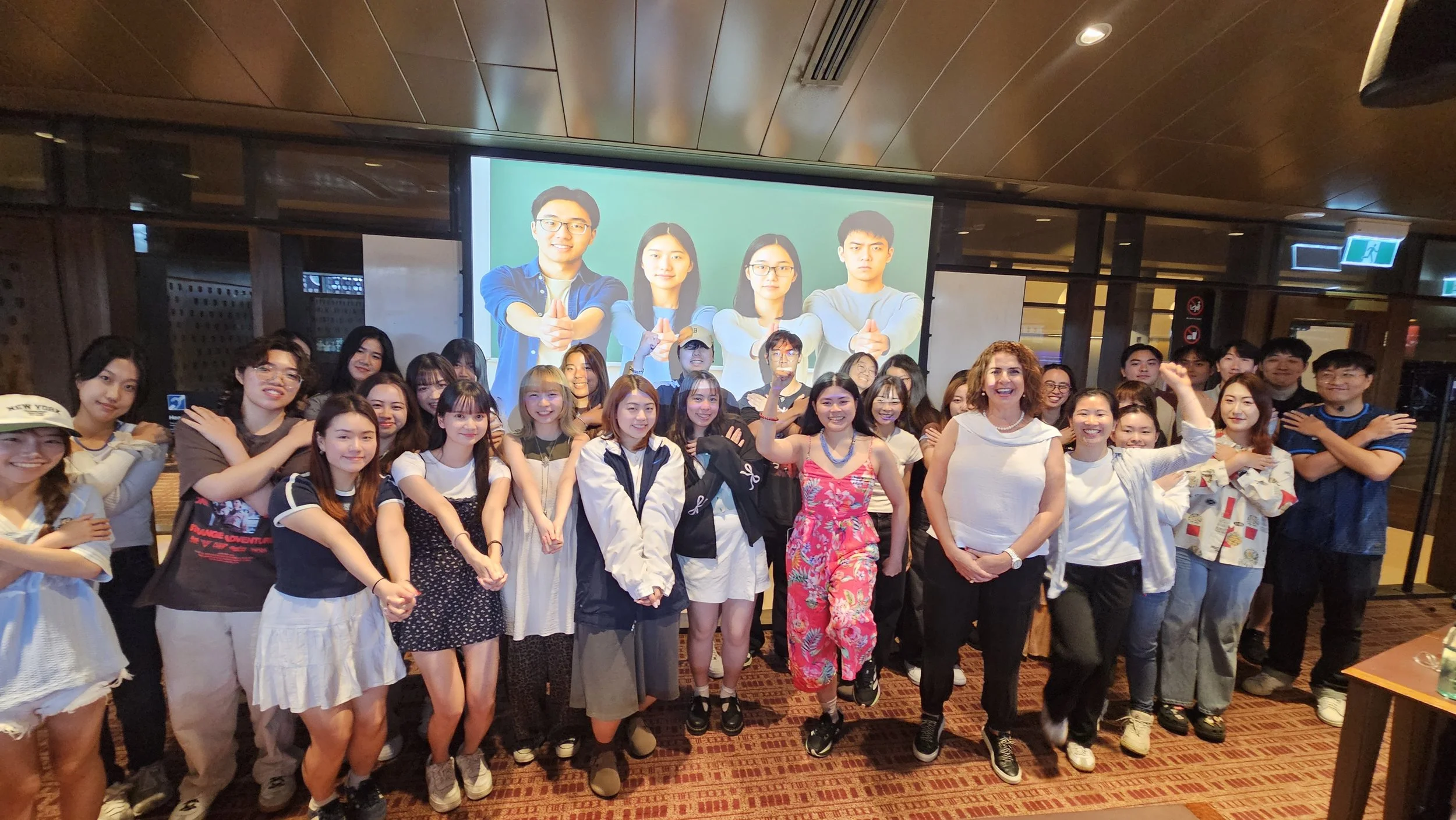
Cultivating Calm Brains in the English Language Classroom
[Blog] The Queensland Institute welcomed award-winning educator Faye Lawand to our Blended Immersion program, where she introduced brain-based strategies to help future teachers create calm, focused learning environments. Our Hong Kong Education students explored practical techniques to support learner confidence and attention in English-medium classrooms.
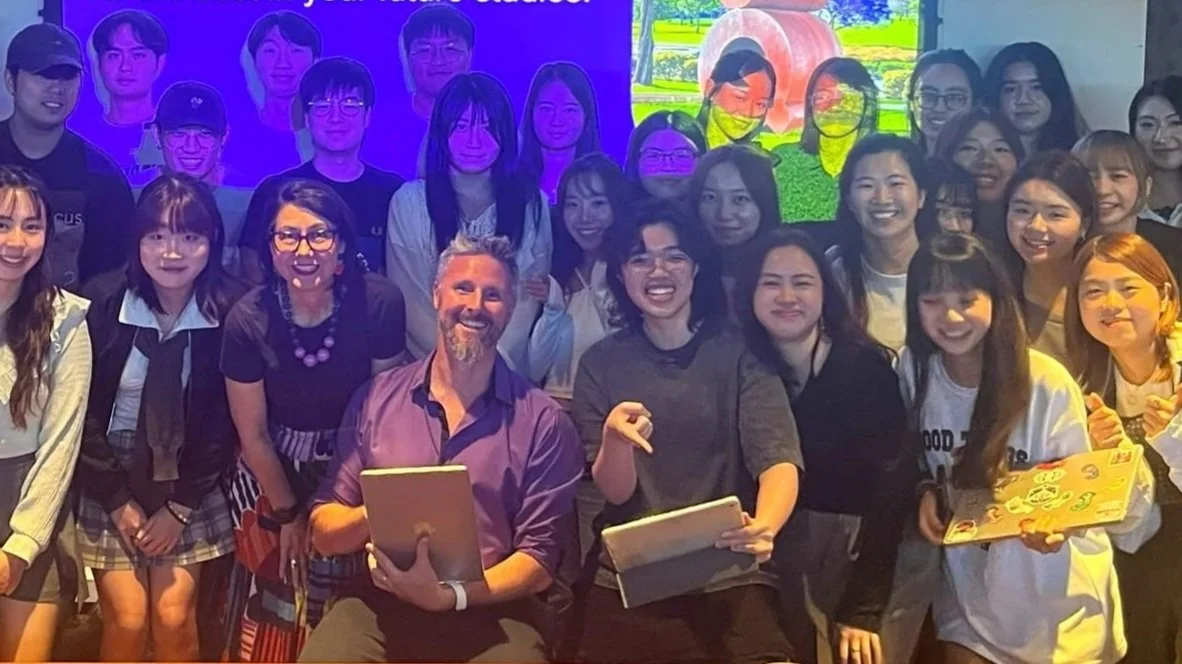
Equipping Future Educators with AI-Smart Design Skills
[Blog] Guest lecturer, Tim Magoffin, joined our Hong Kong student-teachers for an engaging session on AI accessibility and accountability in instructional design. The lecture explored practical tools, ethical considerations, and how AI can support clear, learner-centred materials for the English-language classroom and EMI teaching contexts.

Connecting and Reflecting on the English Australia Conference 2025
[Blog] The Queensland Institute team reflects on the English Australia Conference 2025 in Brisbane, highlighting UQ Voices Choir, professional learning sessions, and our values of inclusion and community building through education and language arts.

Showcasing Bilingual Education in Action in Taiwan
[Blog] Two talented QI alumni, Ms Ruru Chang and Ms Angela Tang, recently opened their bilingual classrooms in Taiwan to showcase creative approaches to music and performing arts education. Their open lessons highlighted active learning, student engagement, and Taiwan’s growing bilingual education movement.

Building EMI Capacity in Taiwanese Schools
[Blog] Read how QI supported over 170 educators across Taiwan to strengthen EMI practices through active learning and inclusive bilingual education strategies, in country in 2024.

Leading the Way in EMI Program Evaluation in Taiwan
[Blog] Discover how QI collaborated with Asia University to enhance EMI program evaluation. This customised workshop focused on peer observation and collaborative practices, equipping educators with strategies to improve teaching outcomes and support reflective practices in higher education.

Fostering Excellence in EMI Lecture Delivery in the Era of AI
[Blog] Discover how QI and Lunghwa University are advancing EMI excellence in higher education through innovative workshops on AI and active learning. Learn about our impactful collaboration in New Taipei City, Taiwan, supported by Austrade and the Taiwanese Ministry of Education.

Collaborating with Queensland Schools in Professional Development
[Blog] Discover how QI’s School Experience program facilitates global collaboration in education. Recently, educators from Hong Kong and Taiwan connected with leading Queensland independent schools, sharing best practices, and gaining insights into each other's educational systems, teaching methods, and student experiences. Learn more in our latest blog post.

Advancing Active Learning and EMI at University in Taiwan
[Consultancy] QI works with two leading universities to enhance active learning and EMI practices in STEM, Business and the humanities.

CLIL Connections: Supporting Taiwan’s Bilingual Education 2030 Goals
[Course] Taiwanese Music and Arts educators connect with the CLIL approach during the QI Teacher Enrichment Program, in partnership with NTNU, August 2021.
- HigherEd
- Language teachers
- international education
- Cambodia
- Canva
- project
- Immersion
- blog
- Conference
- Global educators
- UQVoices
- Brazil
- Treasury Queensland
- Women in Investment Forum
- Course
- Chile
- UDL
- TESOL
- EMI
- Women
- Colombia
- International Students
- Japan
- AI
- ELICOS
- school teachers
- Active Learning
- secondary
- High School
- Taiwan
- English teachers
- primary
- conference
- Hong Kong
- warmers
- university
- International development
- StudyTour
- Thailand
- Vietnam
- CLIL
- Pathways
- virtual classroom
- Case Study
- Bilingual education
- lectures
- Bilingual
- English
- testimonials
- Partners
- Awards
- highschool preparation courses
- Mexico
- Event
- ASEAN
- CamTESOL
- Australia
- Community
Understanding Our Terminology
Not sure what something means? Here is a quick guide to some of the key education acronyms and terms we use.

-
English as a Medium of Instruction (EMI) refers to teaching academic subjects in English to students who have English as an additional language. For example, a Brazilian lecturer in São Paulo chooses to teach their Engineering course in English to bilingual students.
-
Content and Language Integrated Learning (CLIL) is an approach that combines subject learning and language development at the same time. For example, a Japanese CLIL teacher in Tokyo delivers a math class using both English and Japanese, integrating key vocabulary and skills to help students learn in English.
-
Teaching English to Speakers of Other Languages (TESOL) refers to teaching English as a subject to learners who use another language at home or in their communities. For example, a TESOL educator in Taiwan teaches English language and communication skills to school students.
-
Bilingual Education refers to teaching and learning that uses two or more languages across the curriculum—in our work, this includes English. For example, a bilingual school teacher in Chile chooses to use a combination of Spanish and English in class.
Awards for Excellence


Hear from QI’s global educator network