
QI News
Cultivating Calm Brains in the English Language Classroom
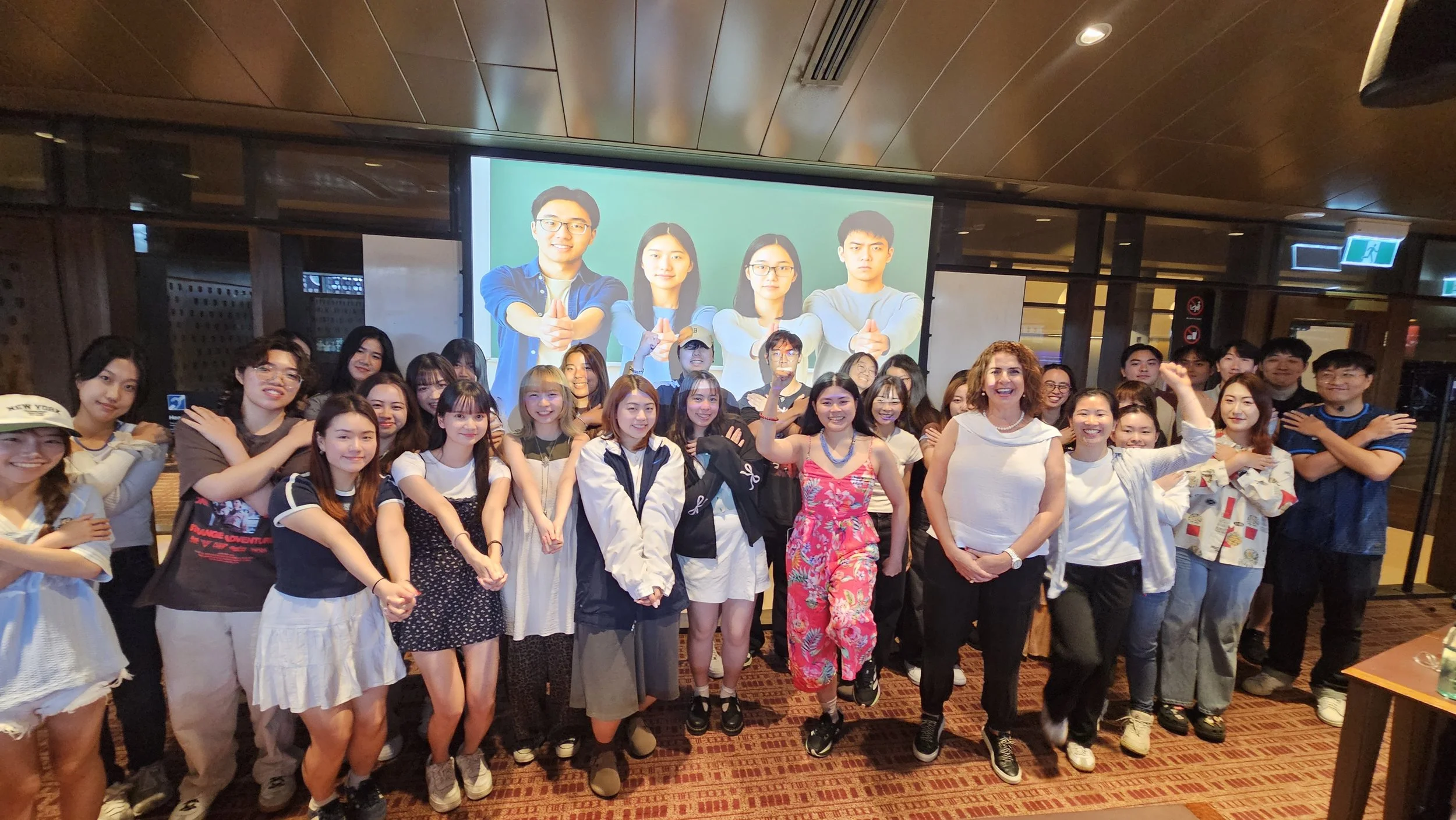
[Blog] The Queensland Institute welcomed award-winning educator Faye Lawand to our Blended Immersion program, where she introduced brain-based strategies to help future teachers create calm, focused learning environments. Our Hong Kong Education students explored practical techniques to support learner confidence and attention in English-medium classrooms.

Equipping Future Educators with AI-Smart Design Skills
[Blog] Guest lecturer, Tim Magoffin, joined our Hong Kong student-teachers for an engaging session on AI accessibility and accountability in instructional design. The lecture explored practical tools, ethical considerations, and how AI can support clear, learner-centred materials for the English-language classroom and EMI teaching contexts.

Enhancing English Speaking and Reading Skills in Vietnam
[Blog] QI’s Co-Founder, Fiona Wiebusch, joined the Department of Education and Training (DoET) Bình Thuận province in Vietnam to present at a workshop for more than 70 English teachers, exploring practical strategies for speaking and reading, aligned with the 2018 General Education Curriculum—reinforcing our commitment to supporting ASEAN educators in 2025.

Strengthening English Education in Hong Kong through Connection and Collaboration
[Blog] Reconnecting with alumni and presenting at the EAC Conference in Hong Kong, The Queensland Institute highlights the role of collaboration in driving English language education and shaping future teacher development programs.

Preparing learners for reading success in Highschool Preparation Courses
[Blog] The QI team shares strategies to support reading success in English with teachers at John Paul International College.

Achieving success in bilingual classrooms
[Blog] The QI team reflects on the 2022 training season, helping more than 830 language teachers and university professors.

Courage through Collaboration
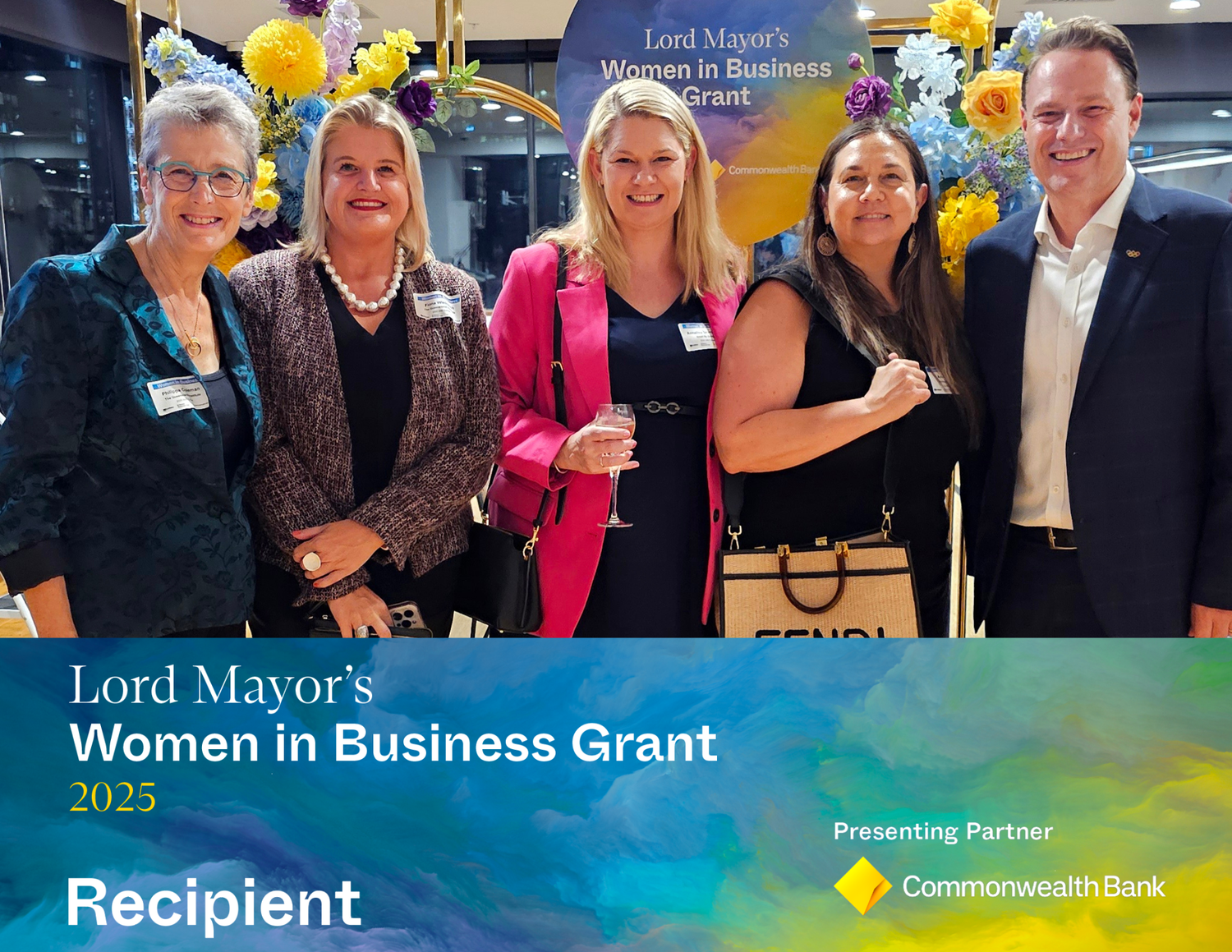
[Event] Director Fiona Wiebusch joined the Women in Investment forum on stage last month, hosted by Treasury Queensland.

Australian curriculum connections: Digital resources for language teachers
[Blog] Cristina Ojeda Ortega reviews some of our favourite resources that connect to the Australian school curriculum.

5 ways to use Canva to support productive skills in the language classroom
[Blog] Cristina Ojeda Ortega shares practical examples of using Canva to support productive skills in the Chilean English language classroom.

Empowering global educators in the Republic of Kiribati
[Course] Empowering global educators in the Republic of Kiribati through Content and Language Integrated Learning.
- HigherEd
- Language teachers
- international education
- Cambodia
- Canva
- project
- Immersion
- blog
- Conference
- Global educators
- UQVoices
- Brazil
- Treasury Queensland
- Women in Investment Forum
- Course
- Chile
- UDL
- TESOL
- EMI
- Women
- Colombia
- International Students
- Japan
- AI
- ELICOS
- school teachers
- Active Learning
- secondary
- High School
- Taiwan
- English teachers
- primary
- conference
- Hong Kong
- warmers
- university
- International development
- StudyTour
- Thailand
- Vietnam
- CLIL
- Pathways
- virtual classroom
- Case Study
- Bilingual education
- lectures
- Bilingual
- English
- testimonials
- Partners
- Awards
- highschool preparation courses
- Mexico
- Event
- ASEAN
- CamTESOL
- Australia
- Community
Understanding Our Terminology
Not sure what something means? Here is a quick guide to some of the key education acronyms and terms we use.

-
English as a Medium of Instruction (EMI) refers to teaching academic subjects in English to students who have English as an additional language. For example, a Brazilian lecturer in São Paulo chooses to teach their Engineering course in English to bilingual students.
-
Content and Language Integrated Learning (CLIL) is an approach that combines subject learning and language development at the same time. For example, a Japanese CLIL teacher in Tokyo delivers a math class using both English and Japanese, integrating key vocabulary and skills to help students learn in English.
-
Teaching English to Speakers of Other Languages (TESOL) refers to teaching English as a subject to learners who use another language at home or in their communities. For example, a TESOL educator in Taiwan teaches English language and communication skills to school students.
-
Bilingual Education refers to teaching and learning that uses two or more languages across the curriculum—in our work, this includes English. For example, a bilingual school teacher in Chile chooses to use a combination of Spanish and English in class.
Awards for Excellence


Hear from QI’s global educator network