
Making the Language of Learning Visible: Lessons from EAL/D Education
Practical insights for inclusive teaching in Australian classrooms
10 August 2026 I The Queensland Institute
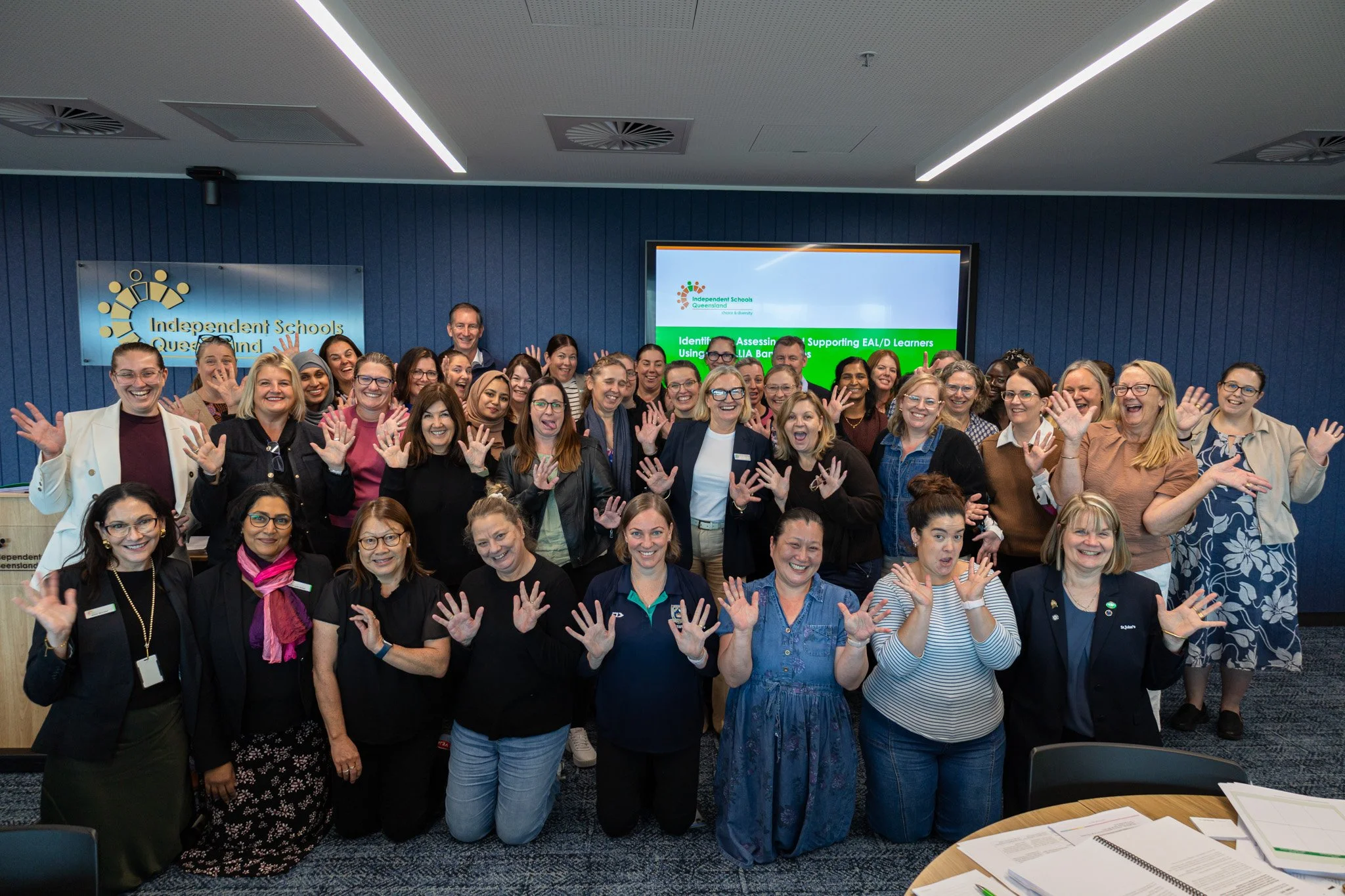
Queensland independent school educators come together to support EAL/D learners.
Every learner deserves the opportunity to communicate what they know, think and can do at school. Yet the language demands of learning can sometimes make this more challenging than we realise.
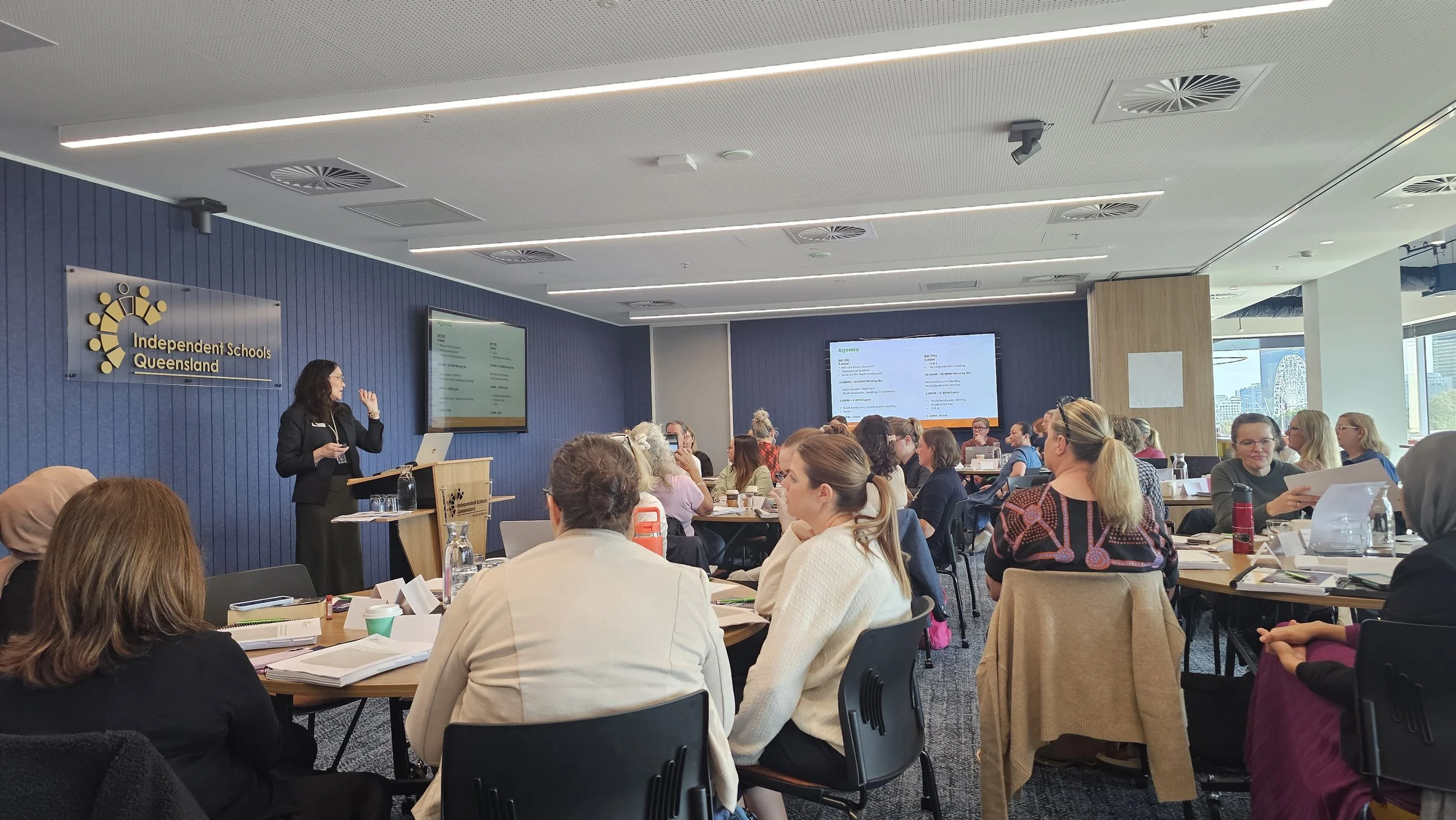
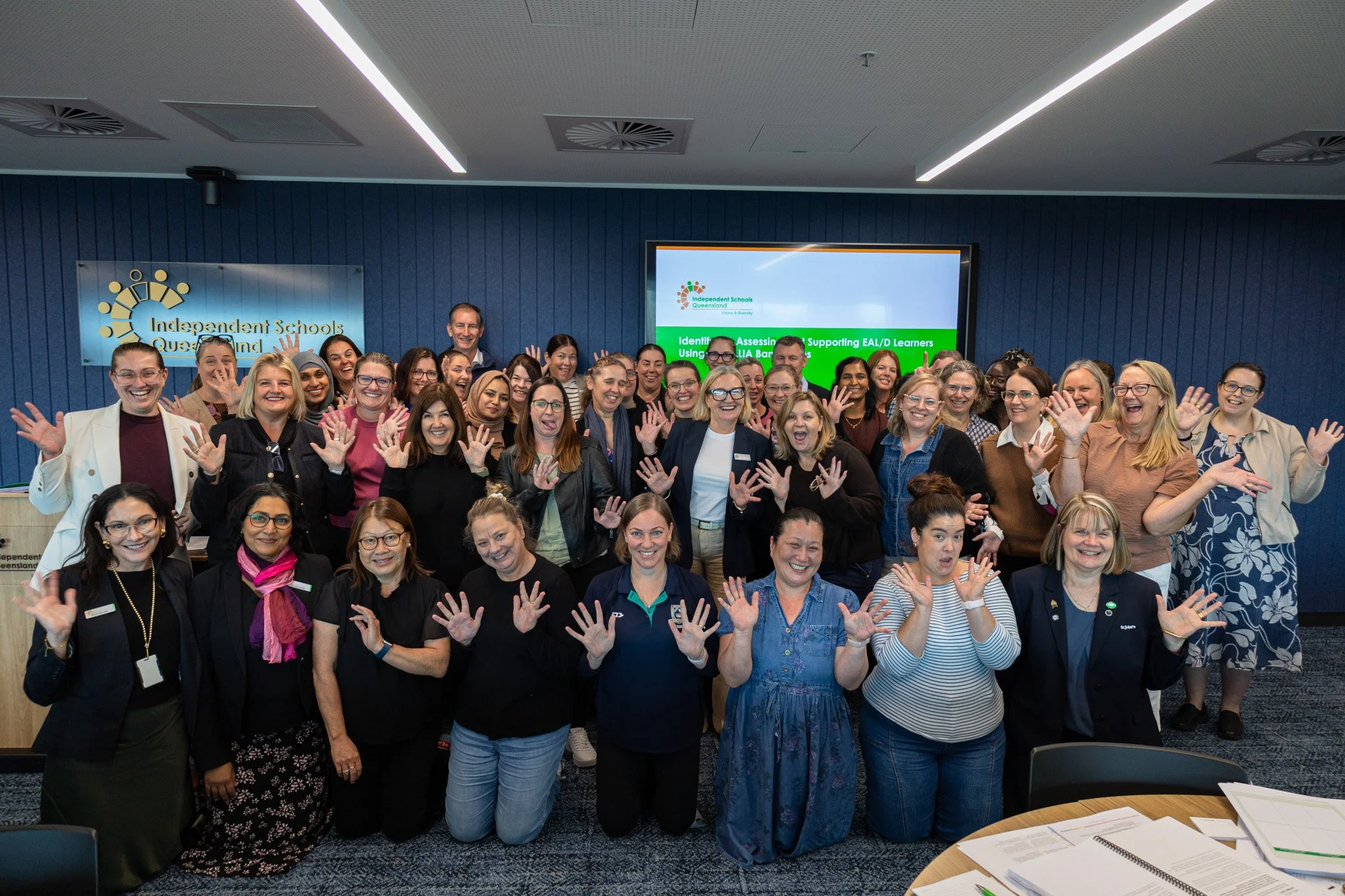
Recently, The Queensland Institute (QI) was delighted to contribute to Independent Schools Queensland’s professional learning program, Identifying, Assessing and Supporting EAL/D Learners Using the NLLIA ESL Bandscales.
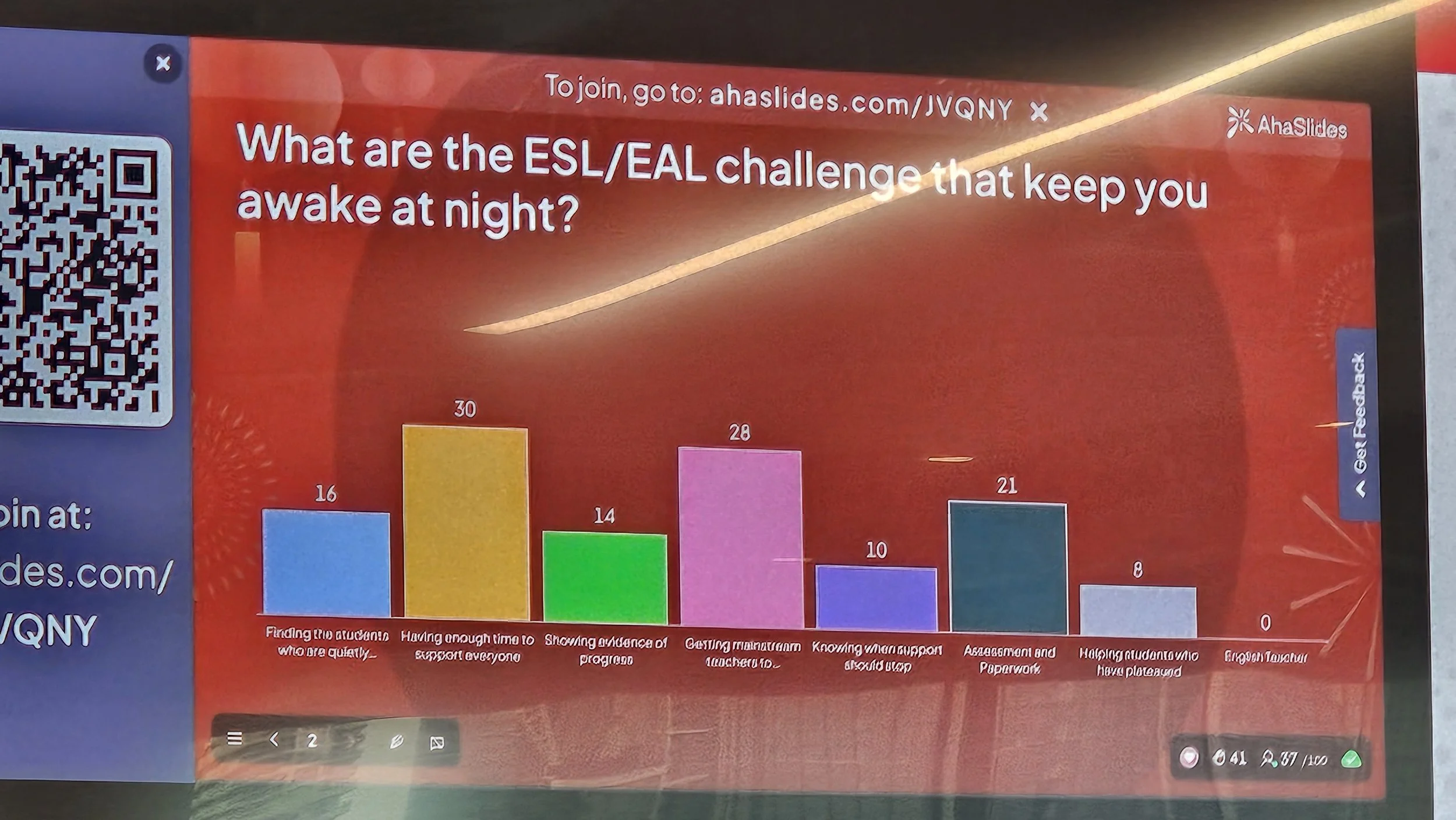
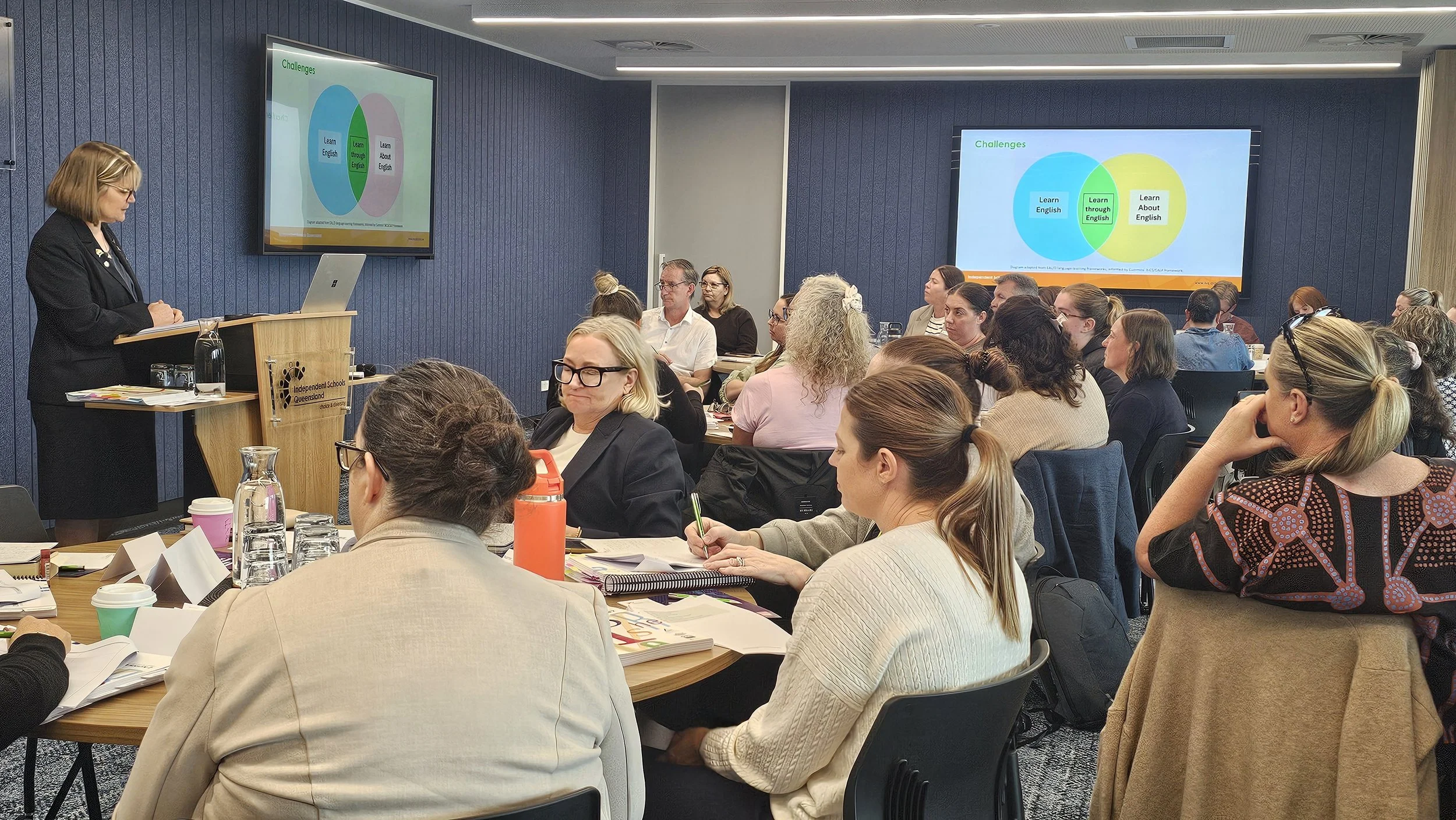
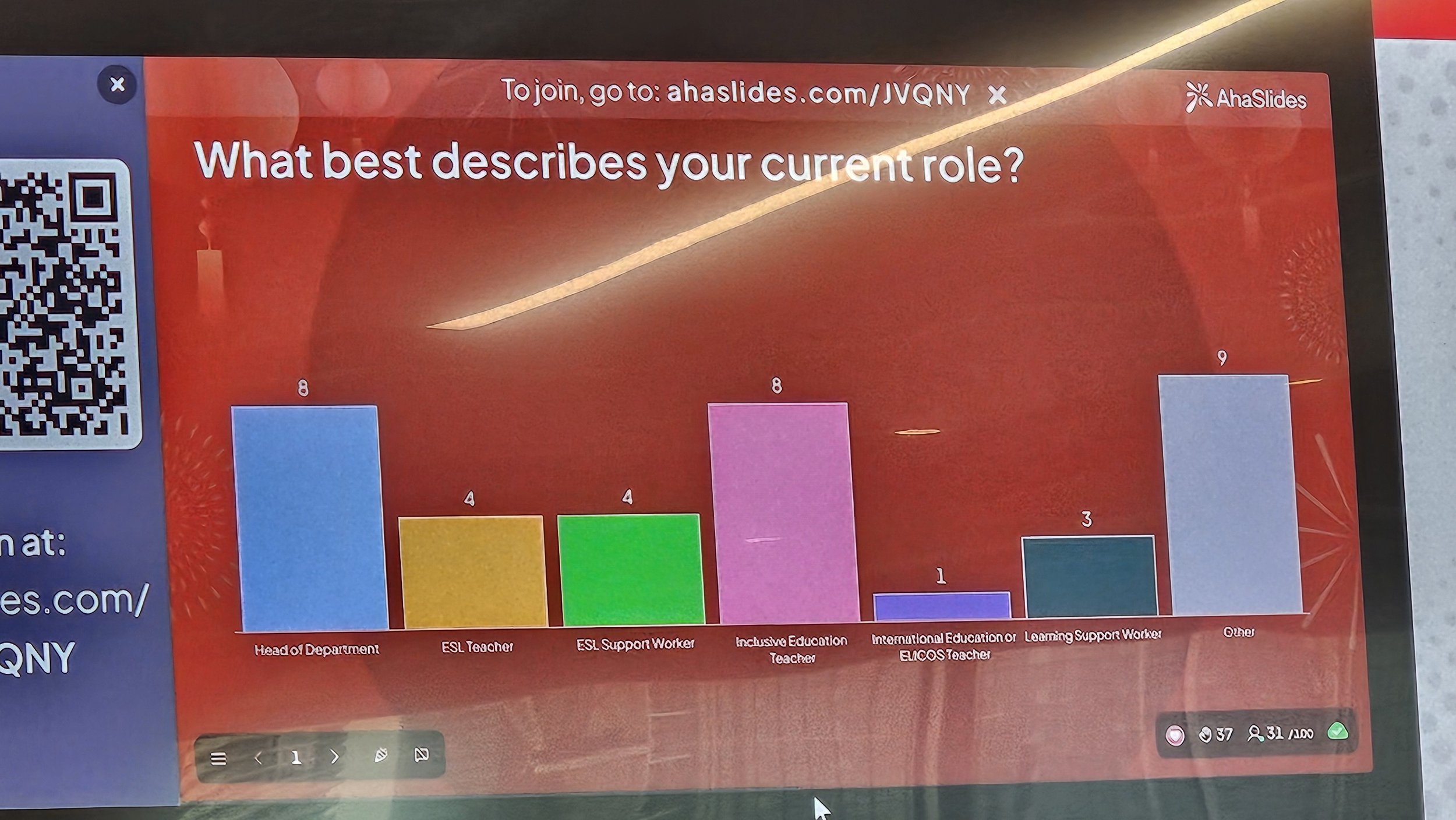
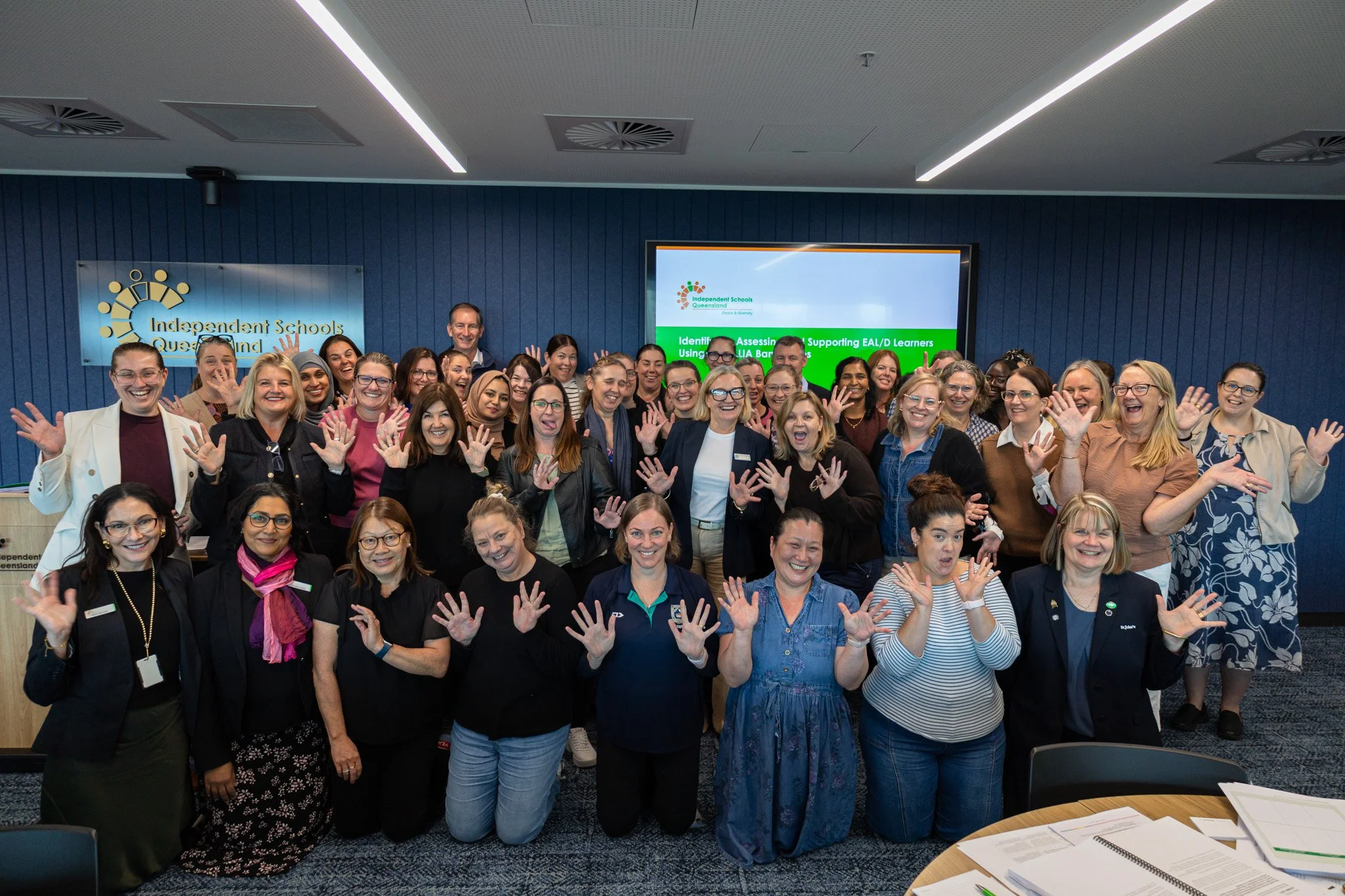
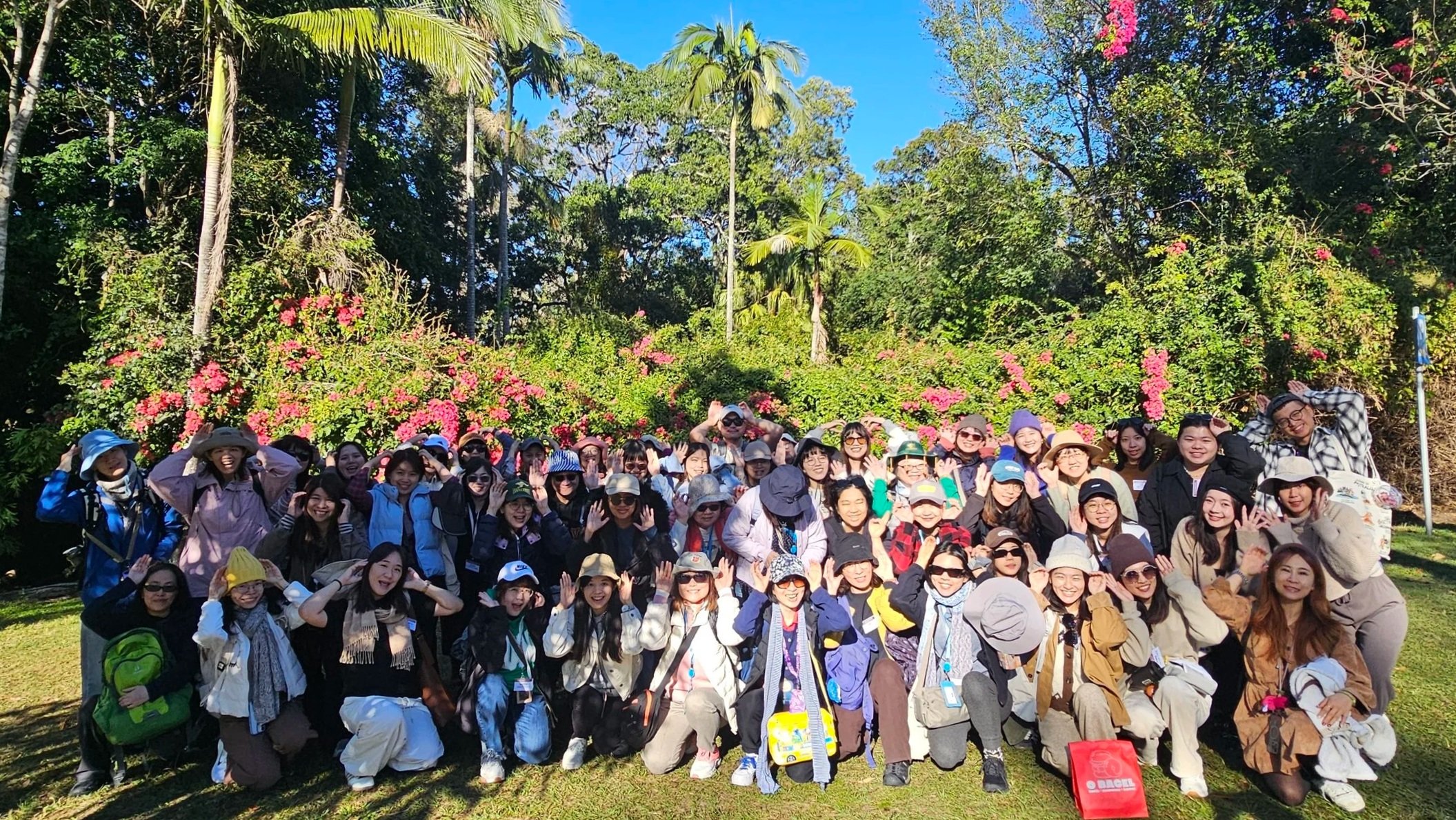
Over two days, more than 40 educators from across Queensland explored the NLLIA ESL Bandscales, deepened their understanding of English as an Additional Language or Dialect (EAL/D) learners, and considered practical approaches to language assessment, differentiation and inclusive teaching.
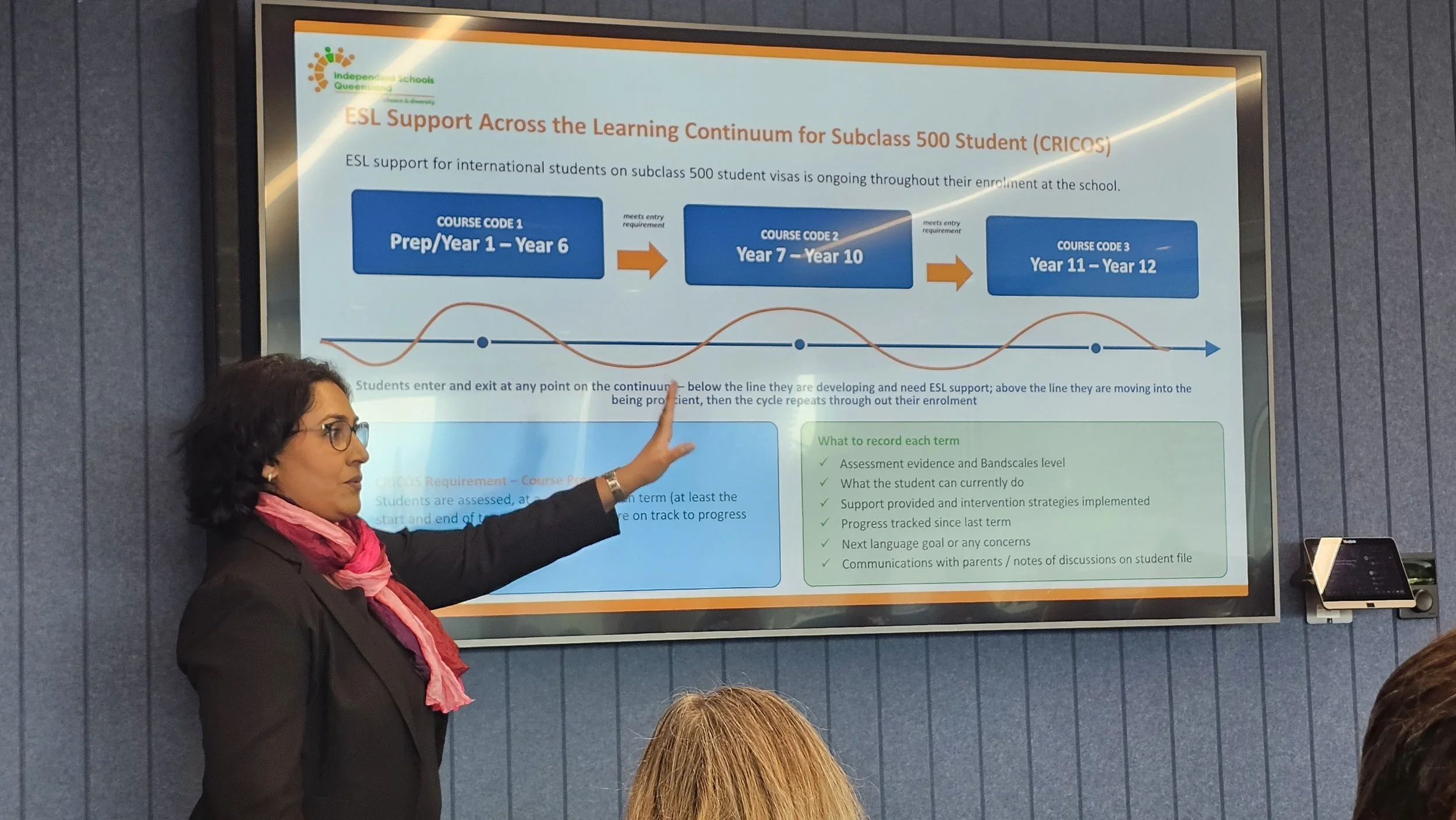
The NLLIA ESL Bandscales Version 2 map EAL/D learners’ English language development across listening, speaking, reading/viewing and writing in a school context, helping educators monitor progress and identify the support learners need to access the curriculum.*
Language matters for all learners
Ronnele Sanders, EAL/D Coordinator at St John’s Anglican College, opened the program with a compelling observation:
“All school learning is assessed through language.”
This has profound implications for every classroom. Students use language to understand instructions, ask questions, collaborate, interpret information, explain their thinking and demonstrate what they have learned.
What appears to be difficulty with curriculum content may also reflect the language students need to access or communicate that content. While this distinction is particularly important for EAL/D learners, it is relevant to every student.
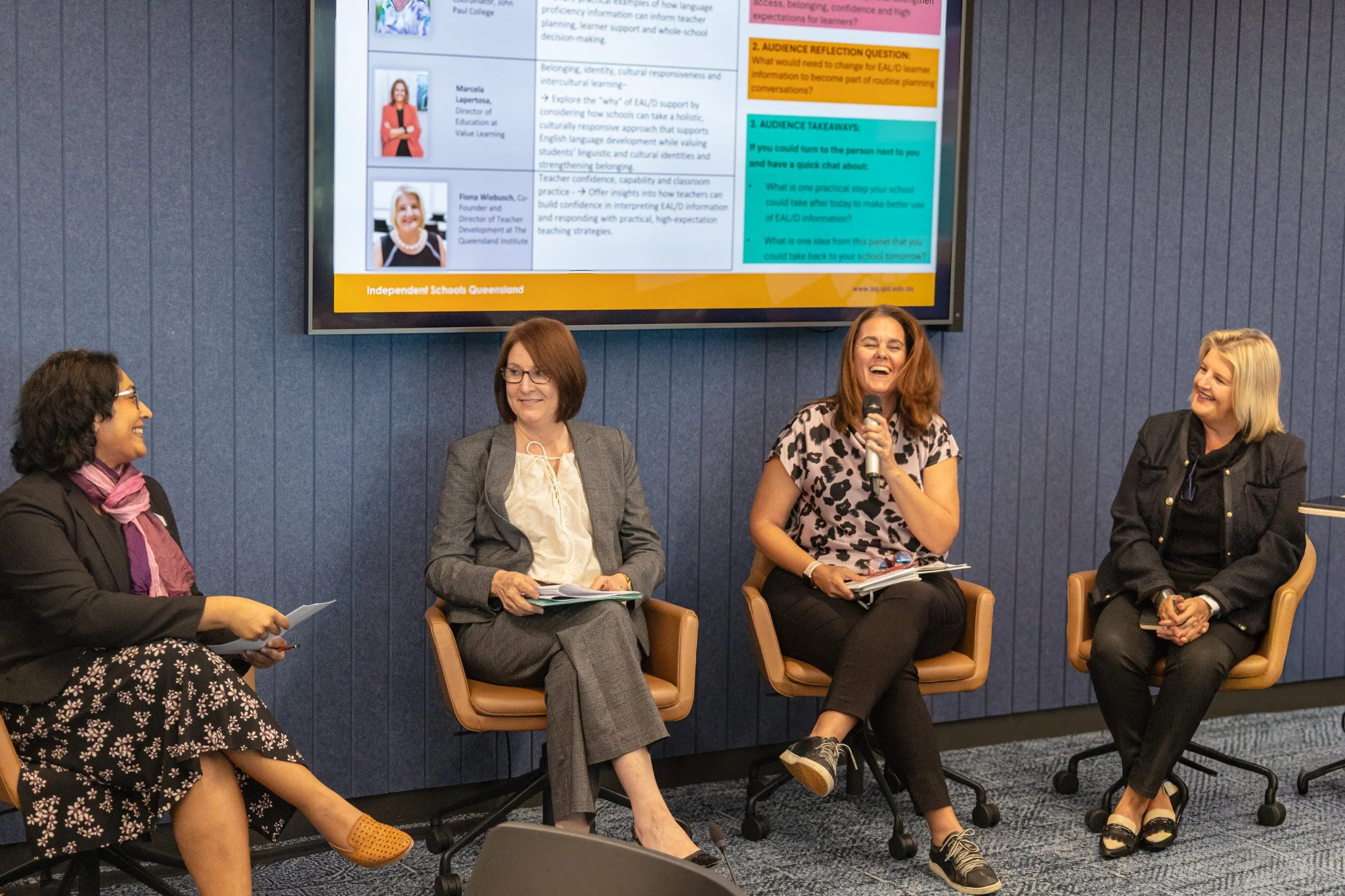
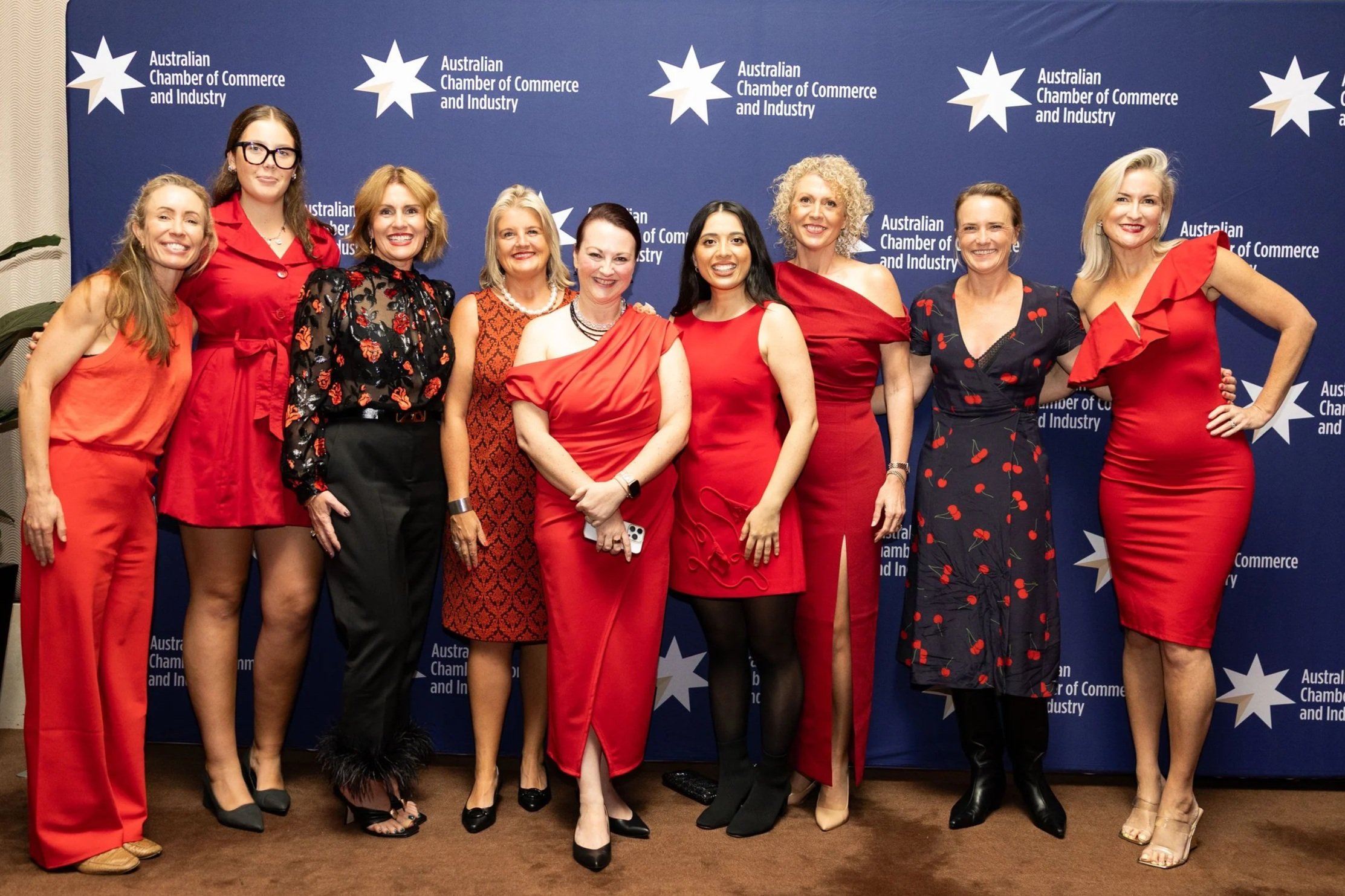
To close day one, QI Co-founder Fiona Wiebusch joined an expert panel alongside Stacey Lang, EAL/D Coordinator at John Paul College, and Marcela Lapertosa, Co-founder of Value Learning Intercultural Specialists. The discussion was expertly chaired by Angelin Achari from Independent Schools Queensland (ISQ) and focused on the practicalities of working with EAL/D frameworks, intercultural perspectives in the Australian classroom and best practice in teacher development and professional learning.
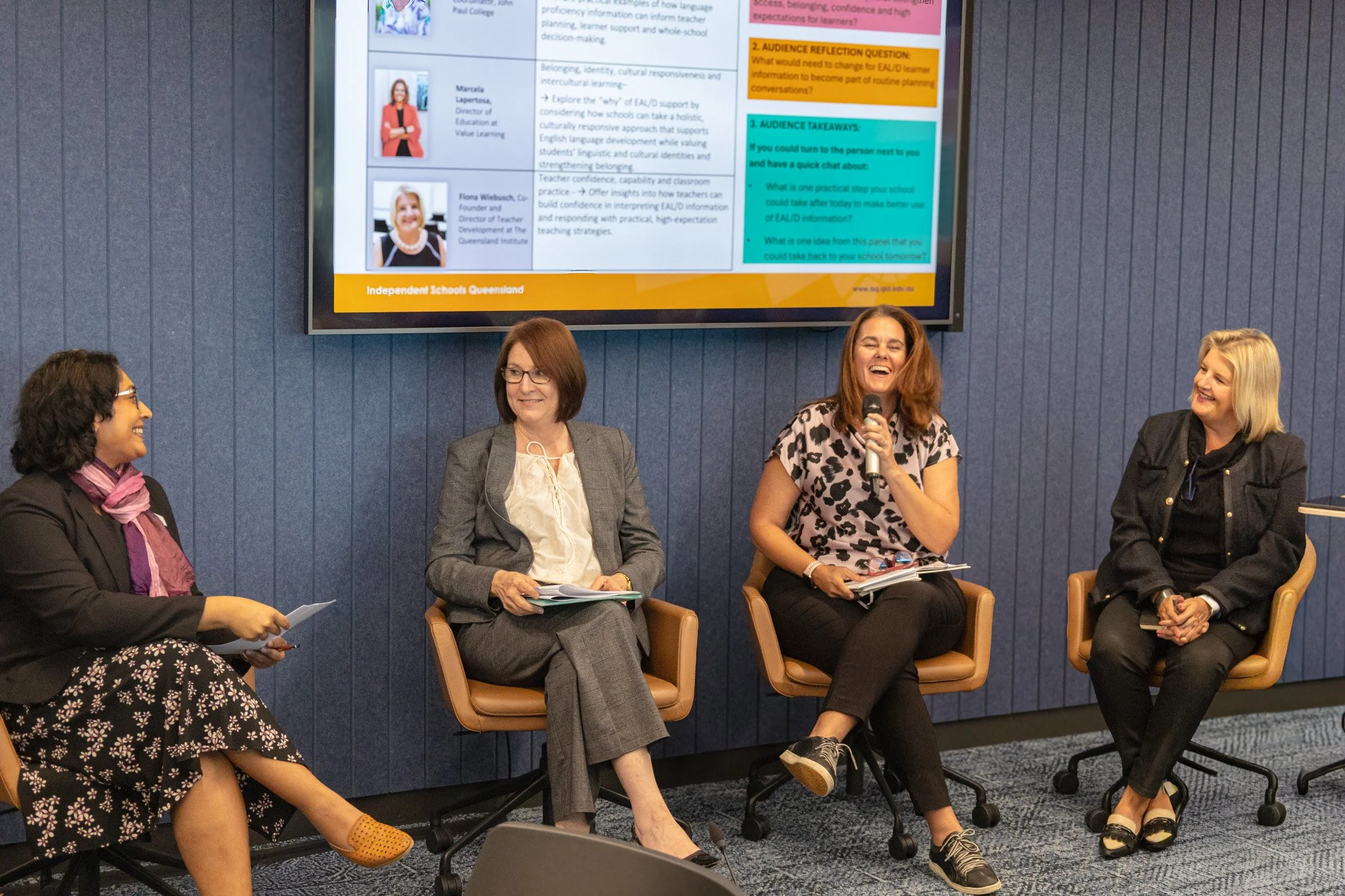
Image courtesy ISQ (L-R): Angelin Achari, Stacey Lang, Marcela Lapertosa, and Fiona Wiebusch.
Language is about communication
At QI, we believe language is about communication. During the panel, Fiona shared how this perspective shapes our approach to teaching and learning:
“When learning is expressed and assessed through language, effective teaching begins with understanding the language demands of learning—and making them visible to students.”
For example, consider common assessment instructions such as ‘compare two perspectives’, ‘justify your answer’ or ‘evaluate the evidence’. Students need more than subject knowledge to complete these tasks. They also need to understand what compare, justify and evaluate require and have the language to communicate their thinking.
Making these demands explicit helps students understand not only what they are learning, but how to communicate that learning. Identifying the language demands of a lesson, unit or subject area is a valuable starting point for teachers committed to inclusive classroom practice—and is even more powerful when done collaboratively with colleagues.
Making the language of learning visible
Language-aware teaching doesn’t necessarily require additional lessons or new approaches. Often, it means looking more closely at the language already embedded in learning tasks.
Teachers can:·
identify the language demands of a task during planning
explicitly teach important vocabulary and language structures;
model the language used to explain, compare, justify or evaluate;
provide purposeful scaffolds that are gradually removed as students develop independence; and
create authentic opportunities for students to discuss ideas and communicate their learning.
These practices make expectations visible rather than leaving students to work out the language of learning for themselves. This is a core focus of our training programs at The Queensland Institute.
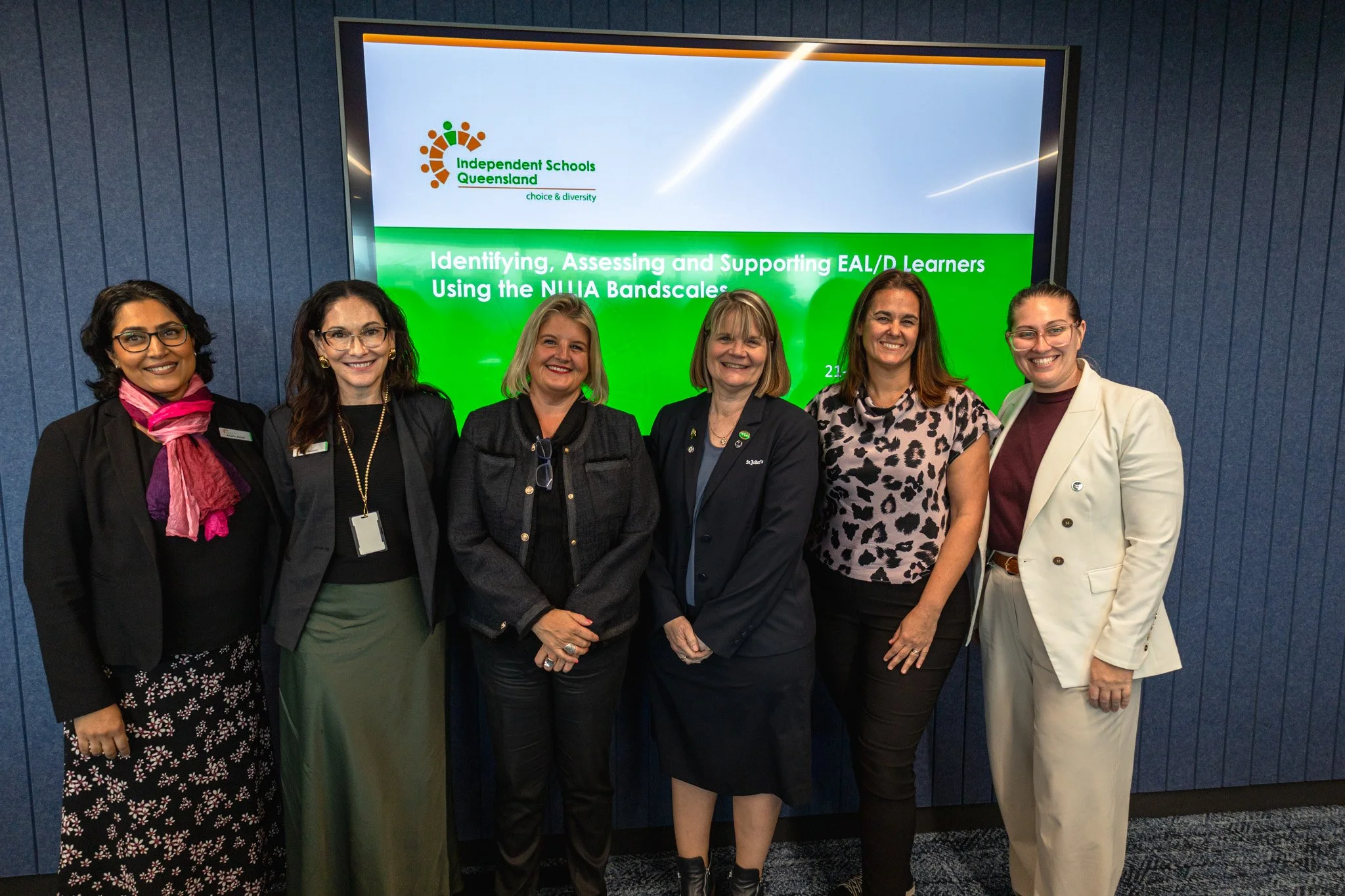
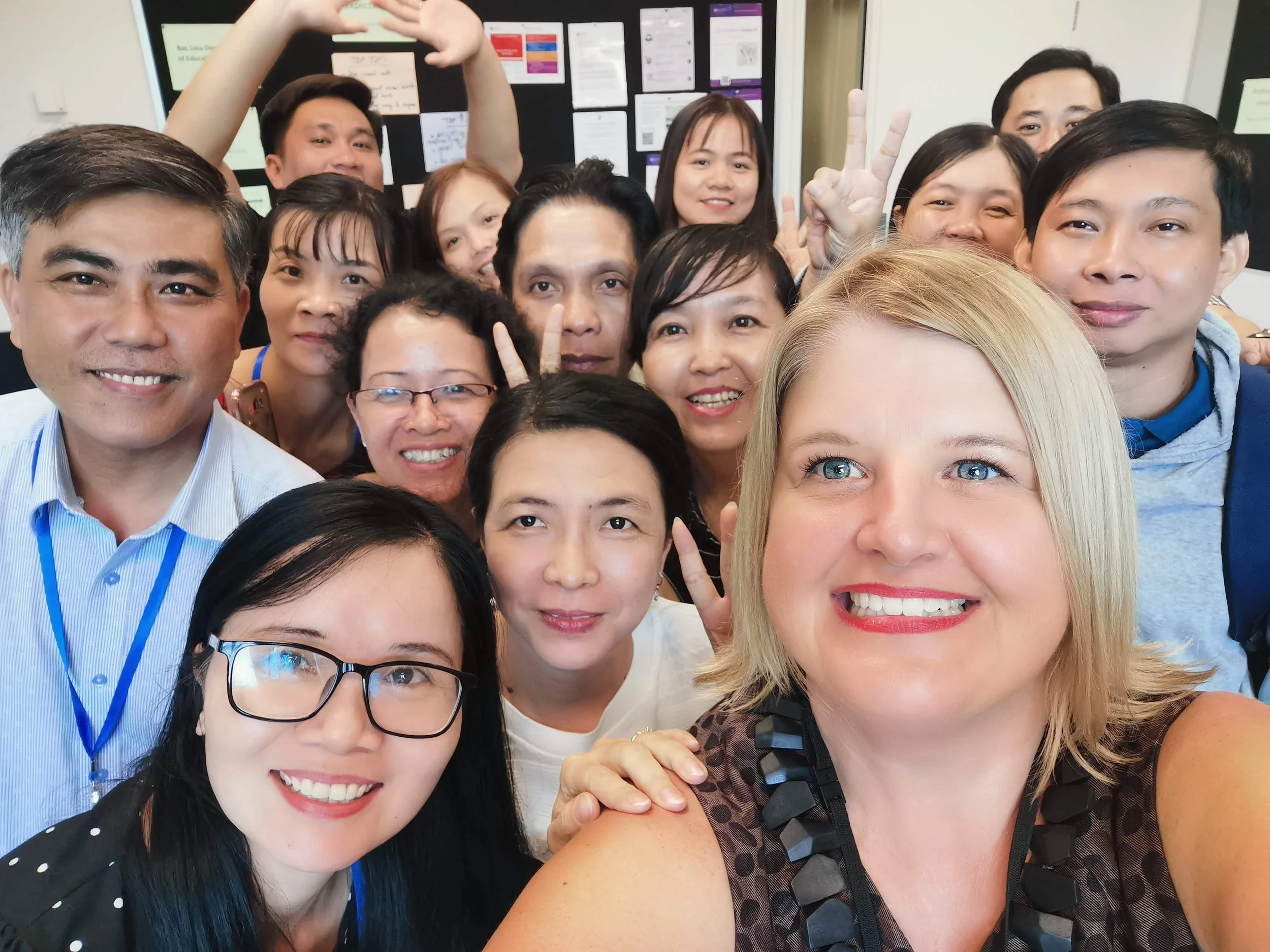
Image courtesy ISQ (L-R): Angelin Achari, Ammoe Wachtel, Fiona Wiebusch, Ronnelle Sanders, Marcela Larpetosa, and Krystal Cameron.
What EAL/D expertise can teach us
EAL/D specialists use these approaches every day because language development is central to their students’ access to curriculum learning. But the principles extend much further.
Making language explicit, modelling expectations, scaffolding complex tasks and creating meaningful opportunities for communication can strengthen learning for every student.
EAL/D and language specialists bring valuable expertise to schools. Their approach offers important insights into inclusive teaching more broadly—encouraging us to consider how clearly we communicate expectations, how accessible our learning tasks are, and whether all students have the language and support they need to participate and demonstrate what they know.
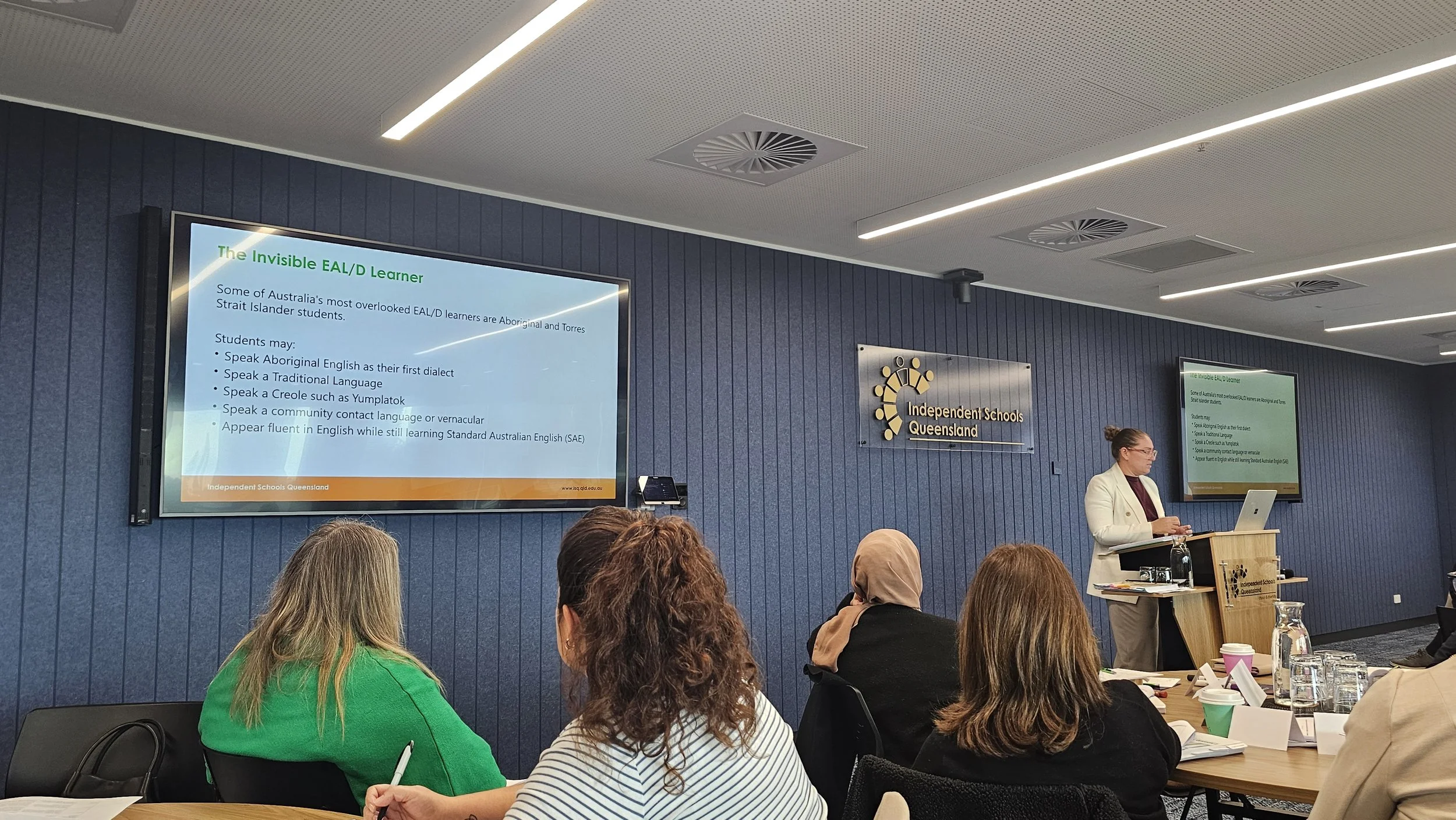
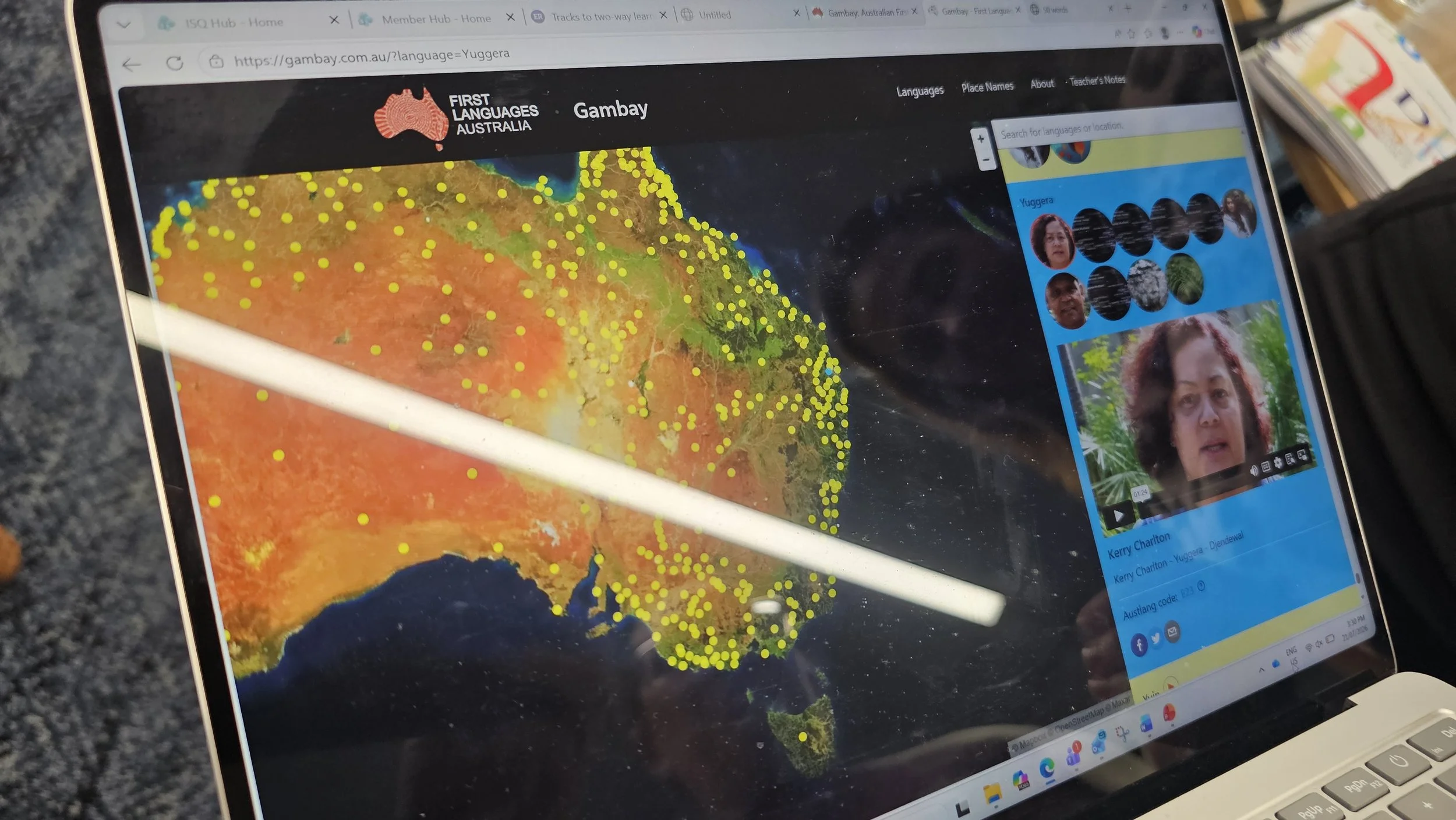
Krystal Cameron, ISQ First Nations Teaching & Learning Advisor, also shared valuable insights into the ‘invisible learners’ in our classrooms, including students who speak Aboriginal and Torres Strait Islander languages at home. Her reflections on the deep connection between Country and language—and how speaking language can be an act of remembering—resonated strongly with our work at QI, recognising the linguistic and cultural knowledge learners bring to the classroom.
Continuing the conversation
At The Queensland Institute, we believe understanding the relationship between language and learning is fundamental to inclusive and effective teaching in Australia's international education sector.
When we make the language of learning visible, we give more learners the opportunity to participate, communicate and demonstrate what they know.
Professional learning opportunities like this ISQ workshop series are particularly valuable because they bring together specialist expertise, classroom experience and diverse perspectives on teaching and learning.
Our thanks to Annie Wachtel, ISQ Inclusive Education Advisor, and Krystal Cameron, ISQ First Nations Teaching & Learning Advisor, for creating such a thoughtful and collaborative program, and to the educators who generously shared their expertise, questions and experiences.
Here’s to more opportunities to continue our professional learning together!
*Reference:
Association of Independent Schools Queensland (AISQ). (1999). Assessing ESL Learners in Schools: Using the NLLIA ESL Bandscales. Working Documents for a Resource Book: Brisbane: AISQ.
Never Miss a Story.
Follow us on our socials at the links below.

[Blog] As conference season approaches, Fiona Wiebusch shares practical lessons on making the move from teacher to conference presenter, such as writing abstracts, finding your story, engaging an audience, rehearsing effectively and presenting with confidence.