
The Practice of Presenting: 10 Conference Tips for Teachers
What good teachers already know about great conference presentations.
26 August 2026 I By Fiona Wiebusch

Fiona Wiebusch presents the closing plenary at the English Australia PD Fest.
Conference season is approaching. Across the education sector, presenters are polishing abstracts, building slide decks and preparing to share their work with colleagues. Presenting is exciting, but when you’re starting out, it can be daunting too.
More than a decade ago, I wrote a blog post called The Practice of Presenting, reflecting on what I had learned as I moved from teacher to conference presenter. Revisiting those ideas now, much has changed. We have new contexts, new presentation tools and, of course, generative AI to help us organise ideas, draft abstracts and design slides.
But the fundamentals haven’t changed at all.
Good conference presenting is still about audience, purpose, story, interaction and professional dialogue. Many of the things that make someone a good presenter are things good teachers already know how to do.
Here are my personal tips for preparing a great conference presentation.
10 conference presentation tips at a glance
Start with your audience. Think about what they already know, what they need and what will be useful to them.
Write your abstract with your audience in mind. Clearly communicate the context, challenge, approach, learning and value.
Give your presentation a title people can use. Aim for both a hook and substance.
Find the story. Identify the clear thread and three key themes you want your audience to follow.
Ask before you tell. Build in deliberate interaction points that invite the audience into your thinking.
Interrogate your argument before someone else does. Test your claims, consider your evidence and acknowledge the limits of what you know.
Rehearse with real people. Practise aloud and ask trusted colleagues for focused feedback.
Time it, then cut it. Rehearse the complete presentation and remove anything that is not essential.
Make your slides support you, not compete with you. Keep them purposeful, visual and easy to follow.
Enjoy the conversation. Approach presenting as a professional exchange rather than an examination.
You can read more about each of these ideas below.
-
Wiebusch, F. (2026, August 26). The practice of presenting: 10 conference tips for teachers. The Queensland Institute. https://thequeenslandinstitute.com/news/the-practice-of-presenting-conference-tips
A lesson I never forgot
I still remember sitting in a lecture theatre as a graduate student, watching Professor Tim McNamara teach language testing and assessment at The University of Melbourne.
The subject could have felt technical and remote. Instead, every lecture felt as though we were engaged in a conversation.
He would pause.
Pose a question.
Let his gaze move around the room.
Smile.
And continue.
His embodied practices were small things, but they changed the audience experience completely. I felt drawn into the thinking rather than simply being presented with information.
It was a lesson in presenting that I have never forgotten. Years later, I still find myself consciously doing some of the same things in classrooms, workshops and conference presentations.
1. Start with your audience
When we plan a lesson, we don’t begin with everything we know. We think about our learners.
Conference presentations are no different.
Before you start making slides, consider who is likely to be in the room. What might they already know? What questions or challenges might they share? Where might they encounter difficulty? What do you want them to leave thinking about or doing differently?
It is remarkably easy to design a presentation around what we want to say, rather than what an audience might benefit from hearing.
A conference presentation is not an opportunity to tell people everything you know. It is an opportunity to decide what is useful to share.

The QI team in the audience at the English Australia National Conference in 2025.
2. Write your abstract with your audience in mind
Long before you stand in front of an audience, you will usually face another challenge: writing the conference abstract.
The three most important considerations?
Audience. Audience. Audience.
In my view, a strong abstract should communicate five things:
Context: Where does this work come from?
Challenge or question: What prompted the work?
Approach: What did you do, investigate, design or change?
Learning: What happened, and what did you learn?
Value for the audience: Why should colleagues attending this conference care?
That final question matters enormously.
Your abstract isn’t simply a summary of your work. It is your first conversation with your audience.
And what about AI?
Many presenters will now use generative AI somewhere in the abstract-writing process. I see no problem with that.
AI can help you test clarity, cut an abstract to a word limit, identify repetition, suggest alternative wording or check whether the value for the audience is explicit.
But I would resist beginning with:
“Write me a conference abstract about…”
Start with the thinking first. Know your context, challenge, evidence, learning and audience. Then use AI to help you communicate those ideas more effectively.
The strongest abstract is still built on something only you can provide: a worthwhile professional story.
3. Give your presentation a title people can use
A conference title is a little like a newspaper headline.
It should attract attention, but it also needs to tell delegates what the presentation is actually about. In a crowded conference program, your title may be one of the main things people use to decide whether your session is relevant to them.
Aim for hook + substance.
Let’s Get Talking! might be catchy, but it tells the audience very little.
Ask Before You Tell: Strategies for Building Interaction into EMI Lectures does both jobs. It creates curiosity while clearly signalling the topic and context.
AI can be useful here too. Give it your finished abstract and ask for a range of possible titles, then apply your own judgement.
Would you know what the session was about? Would you choose it from the program?
4. Find the story
Once your abstract is accepted, the temptation is to put everything you know into the presentation.
Don’t.
Good presentations have a narrative. A useful sequence might be:
Context → Challenge → Response → What happened → What we learned
Research presentations may follow a more formal structure, but audiences still need a clear thread through the investigation.
Before building your presentation, ask:
What are the three key themes?
Who is the intended audience?
What does the field say about the topic?
What is the story?
The goal isn’t to turn research into entertainment. It’s to make the journey through your ideas easy to follow.
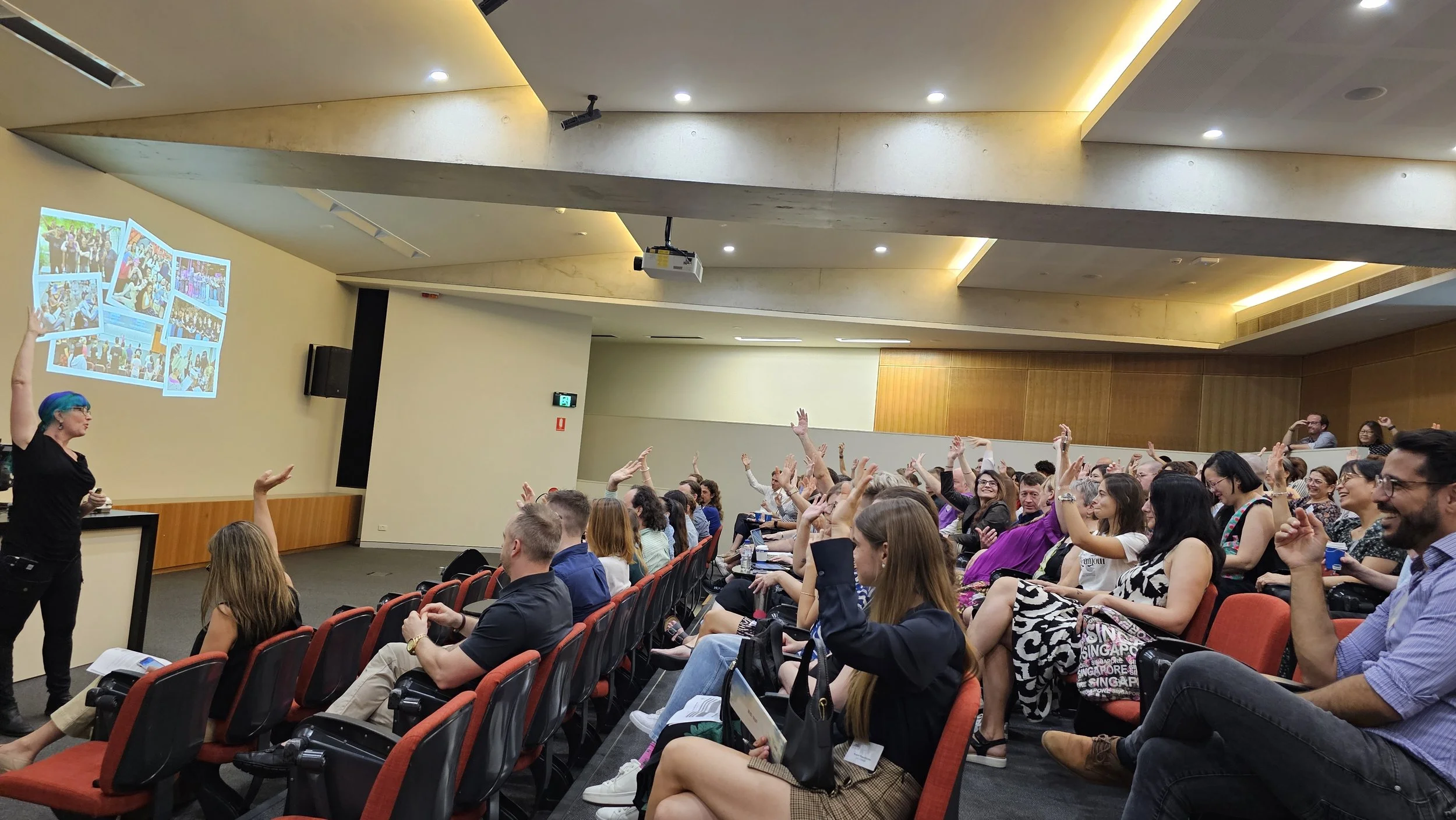
Vicki Bos presents the opening plenary of the English Australia PD Fest.
5. Ask before you tell
Teachers know that learning is rarely enhanced by talking at people for 45 minutes.
Conference presentations are no different.
Remember the principle: Ask before you tell.
Instead of immediately giving the audience your answer, invite them into the question.
Ask them to predict what happened. Elicit their experience. Give them an example to consider. Invite a brief discussion with the person beside them.
Interaction doesn’t need to be elaborate. A well-placed question, quick poll, show of hands or moment for reflection can change the dynamic of the room.
Think of these as interaction points, deliberate moments when information moves both ways.
To identify them, review your presentation and ask: Could any of my statements become questions?
6. Interrogate your argument before someone else does
In my experience, conference audiences are generally generous. They’re also knowledgeable.
Before presenting a claim, consider what evidence supports it. Is it a finding, an interpretation or an observation? Does it apply beyond your context? What might somebody reasonably challenge?
You don’t have to have all the answers. Being precise about what you don’t know can strengthen a presentation.
There is an important difference between saying:
“This demonstrates that…”
and:
“In our context, we found…”
Conference presenting gives us an opportunity to test ideas, not simply broadcast them. Questions and challenges from colleagues are part of the professional learning.
Remember, an inquiring audience member might simply be curious. That’s a good thing!

Ceara McManus responds during Q&A at the closing plenary at English Australia PD Fest.

Philippa Coleman engages the audience at the English Australia PD Fest.
7. Rehearse with real people
A presentation can work beautifully in your head and quite differently once you say it aloud.
Run through it by yourself, then, preferably, with colleagues.
Ask them:
What was the strongest idea?
Where did you lose the thread?
What could I cut?
What needed more, or less, explanation?
What will you remember tomorrow?
If you’re rehearsing with colleagues, agree on a few simple guidelines for giving feedback. Give the presenter an opportunity to reflect on their own performance and identify any changes they would make before inviting feedback from the audience.
You don’t need a large group. Two trusted colleagues are enough to provide useful, focused feedback without overwhelming the presenter.
8. Time it, then cut
Rehearsing also exposes something your slides never will: timing.
My experience is that rehearsal usually results in cutting rather than adding. I rarely finish a run-through without making several changes to my slides or talking points.
Time the complete presentation, including any questions, discussions or activities you have planned. If it runs over, resist the temptation to speak faster. Decide what your audience really needs and cut what isn’t essential.
9. Make your slides support you, not compete with you
Slides are visual support. They are not the presentation.
One technique I have used for years is to think of the title of each slide as the topic sentence of a paragraph. It tells the audience where we’re going, and everything else on the slide should support that idea.
Then reduce.
A photograph, diagram, example, quotation or short phrase will often communicate more effectively than a screen filled with text.
Your audience came to hear you.
10. Enjoy the conversation
Presenting can feel daunting, particularly when you look around the room and see people whose work you admire. Something I tell myself often is:
Conferences aren’t examinations. They’re conversations between colleagues.
Your job isn’t to demonstrate that you know everything about your topic. It’s to contribute something worth discussing.
Share what worked, and what didn’t. Explain what surprised you. Invite people to interrogate your ideas. Listen carefully to the difficult question. Find that person again over coffee.
And when the nerves inevitably arrive, remember the lesson I learned many years ago in Tim McNamara’s lecture theatre:
He paused.
He posed a question.
He smiled.
So, as conference season approaches, remember that you don’t need to have all the answers. You just need something worth sharing and a willingness to invite others into the conversation.
Pause. Smile. Ask a question. Then begin.
You’ll be great!
*An earlier version of this article appeared in Fiona Wiebusch’s PhD blog, TESOL Teacher Talk.com in 2014.
All images courtesy: Peter Viteetarm for The Queensland Institute.
Micro-Reflection: Putting it into Practice
The team at The Queensland Institute regularly put these tips into practice. We review our abstracts, rehearse our presentations with each other, and bring the same principles into our course design and professional development programs for teachers around the world.
As you watch the video below, which strategies from this article can you identify?
Look for examples of audience awareness, story, interaction and visual support.
Watch QI education consultant Vicki Bos’s TEDxUQ talk, How do we use a choir to build a community?, exploring how a community choir can strengthen belonging and connection on university campuses.
-
TEDx Talks. (2024, March 25). How do we use a choir to build a community? | Vicki Bos | TEDxUQ [Video]. https://youtu.be/ev1n9vTpUgE?si=Jgdu9HB-ZTBO1dQp
Never Miss a Story.
Follow us on our socials at the links below.
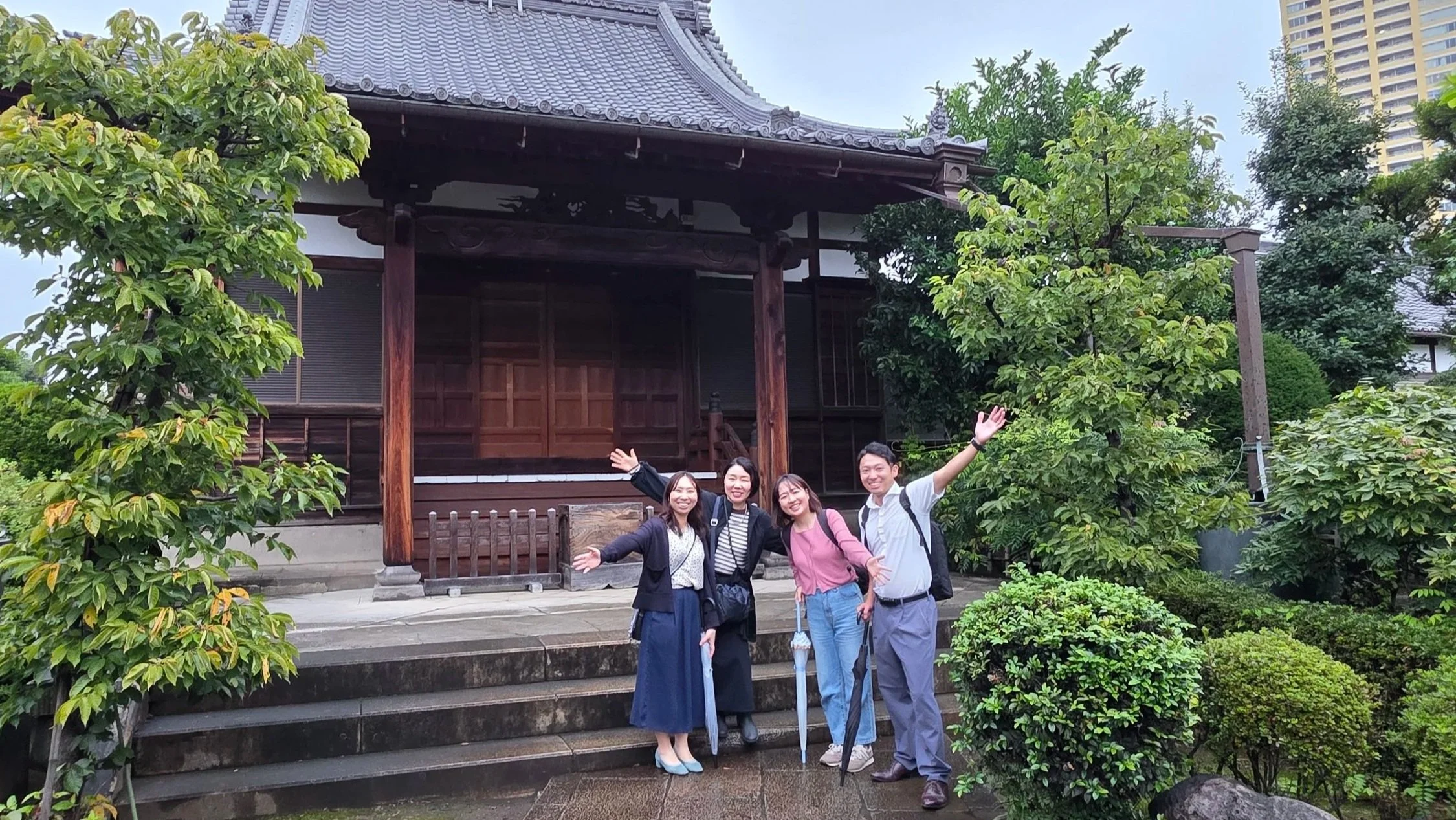





[Blog] As conference season approaches, Fiona Wiebusch shares practical lessons on making the move from teacher to conference presenter, such as writing abstracts, finding your story, engaging an audience, rehearsing effectively and presenting with confidence.