
QI News

Fostering Universal Design for Learning and wellbeing at the English Australia QLD PD Fest
[Blog] Language teachers from across Queensland gathered to learn about Universal Design for Learning from QI Trainer, Vicki Bos, at English Australia’s QLD PD Fest 2023.

Strengthening Transnational Education Partnerships between Queensland and Vietnam
[Blog] QI Director, Fiona Wiebusch, shares highlights from the Queensland Transnational Education Conference in Vietnam.

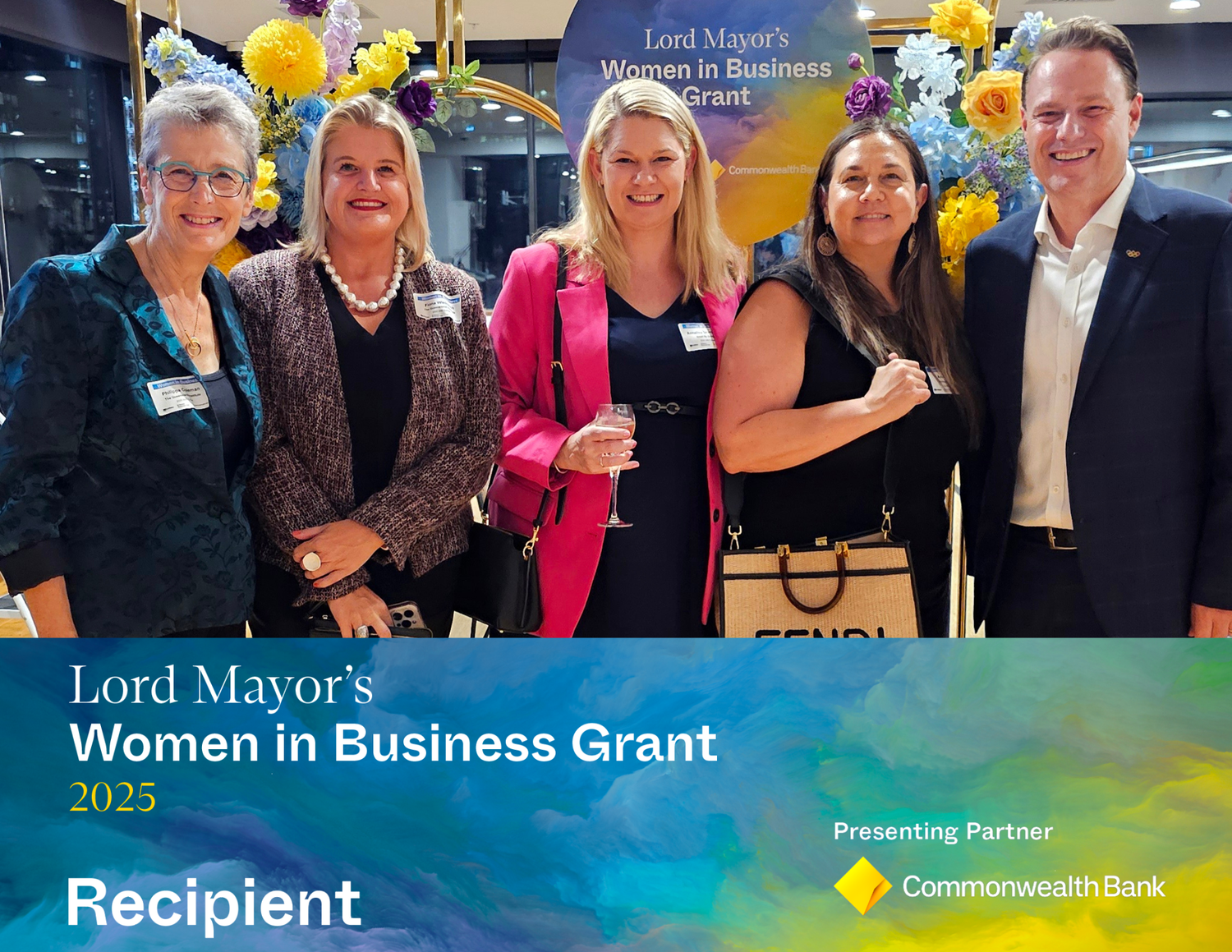
QI founders win prestigious Women in International Business 2022 award
[Blog] QI founders win prestigious Women in International Business 2022 award

Australian curriculum connections: Digital resources for language teachers
[Blog] Cristina Ojeda Ortega reviews some of our favourite resources that connect to the Australian school curriculum.

New perspectives at the English Australia Virtual Conference 2021
[Conference] The QI team attends the Annual English Australia Conference, 13-15 September, 2021.
- HigherEd
- Language teachers
- international education
- Cambodia
- Canva
- project
- Immersion
- blog
- Conference
- Global educators
- UQVoices
- Brazil
- Treasury Queensland
- Women in Investment Forum
- Course
- Chile
- UDL
- TESOL
- EMI
- Women
- Colombia
- International Students
- Japan
- AI
- ELICOS
- school teachers
- Active Learning
- secondary
- High School
- Taiwan
- English teachers
- primary
- conference
- Hong Kong
- warmers
- university
- International development
- StudyTour
- Thailand
- Vietnam
- CLIL
- Pathways
- virtual classroom
- Case Study
- Bilingual education
- lectures
- Bilingual
- English
- testimonials
- Partners
- Awards
- highschool preparation courses
- Mexico
- Event
- ASEAN
- CamTESOL
- Australia
- Community
Understanding Our Terminology
Not sure what something means? Here is a quick guide to some of the key education acronyms and terms we use.

-
English as a Medium of Instruction (EMI) refers to teaching academic subjects in English to students who have English as an additional language. For example, a Brazilian lecturer in São Paulo chooses to teach their Engineering course in English to bilingual students.
-
Content and Language Integrated Learning (CLIL) is an approach that combines subject learning and language development at the same time. For example, a Japanese CLIL teacher in Tokyo delivers a math class using both English and Japanese, integrating key vocabulary and skills to help students learn in English.
-
Teaching English to Speakers of Other Languages (TESOL) refers to teaching English as a subject to learners who use another language at home or in their communities. For example, a TESOL educator in Taiwan teaches English language and communication skills to school students.
-
Bilingual Education refers to teaching and learning that uses two or more languages across the curriculum—in our work, this includes English. For example, a bilingual school teacher in Chile chooses to use a combination of Spanish and English in class.
Awards for Excellence

Hear from QI’s global educator network